
8 Most Significant Milestones In Porsche's History
Porsche’s journey from an independent engineering consultancy to a global performance icon spans nearly a century. Here are eight defining milestones that fundamentally shaped its legacy.




1. 1948 – The Birth of the Porsche 356: A Family Dream Realized
The first true Porsche, the 356 No. 1 Roadster, was completed in June 1948 in a small workshop in Gmünd, Austria. It was the product of Ferry Porsche’s ambition to build a lightweight, agile sports car after realizing that no car on the market met his needs. Built using Volkswagen parts, the 356 featured a mid-mounted, air-cooled flat-four engine and aluminum bodywork.
Although modest in power (just 35 hp initially), the car's balance and handling won early acclaim. The 356 not only launched the Porsche brand but established key themes—light weight, rear-engine layout, and motorsport potential—that would define it for decades.
2. 1963 – The 911 Arrives: A New Icon is Born
At the 1963 Frankfurt Motor Show, Porsche revealed the 901 prototype—a sleek, modern successor to the 356. After a trademark dispute with Peugeot, the car was renamed the 911, and it would become Porsche’s most enduring and influential model. Designed by Ferdinand “Butzi” Porsche, it introduced a new air-cooled flat-six engine, a longer wheelbase, and more power, refinement, and practicality than the 356.
The 911’s silhouette, rear-engine layout, and mechanical character were unique, and its adaptability would allow it to evolve over six decades without losing its essence. More than 1.2 million units have been built, making it the most successful sports car in history.
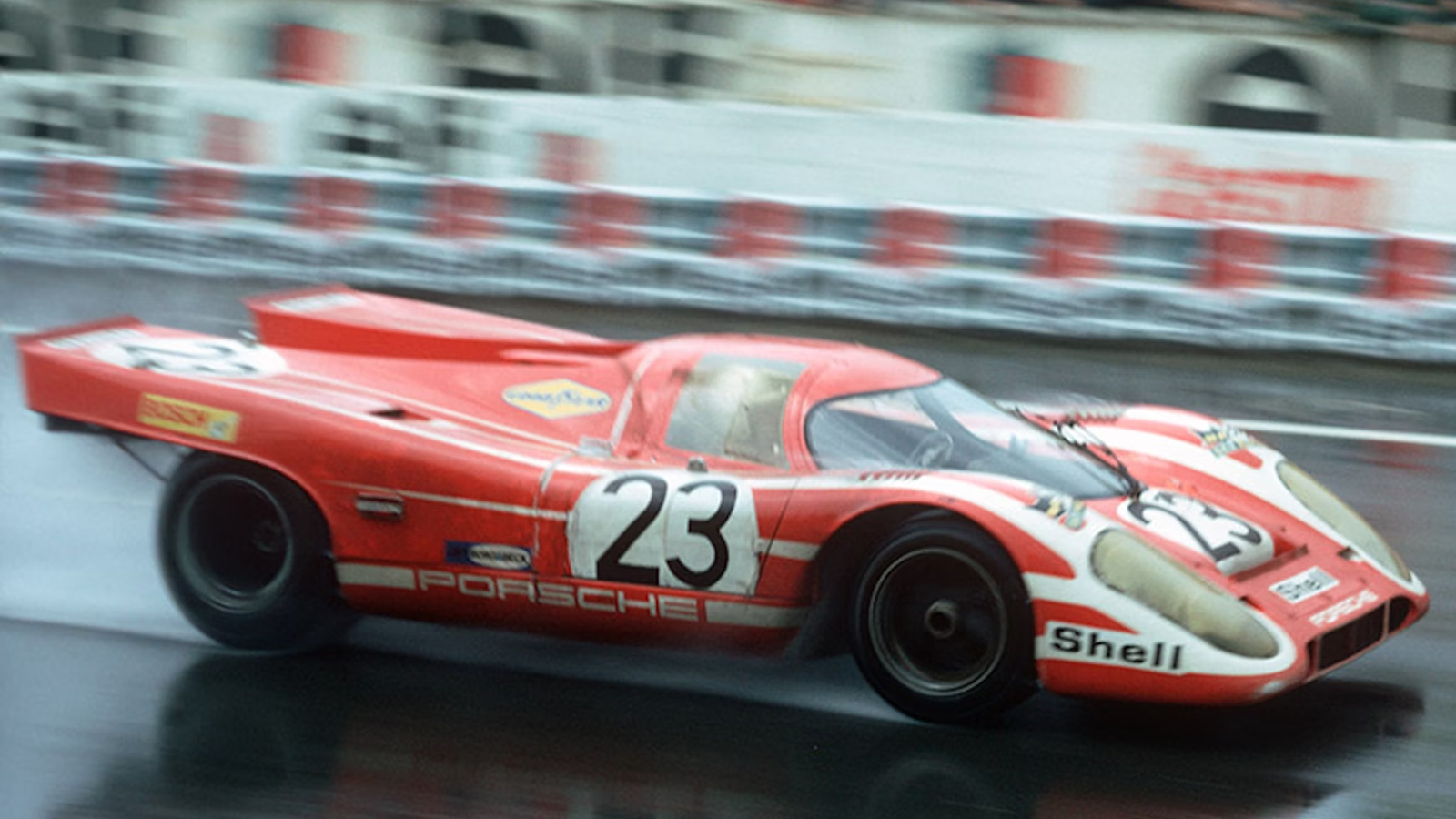
3. 1970 – First Overall Victory at Le Mans with the 917
After years of class wins, Porsche took its first outright win at the 24 Hours of Le Mans in 1970 with the formidable 917K, piloted by Hans Herrmann and Richard Attwood. The 917 was a fearsome machine, powered by a 4.5-liter flat-12 engine producing over 600 hp and capable of over 220 mph.
Its success was a result of aggressive engineering, persistent development, and lessons learned from earlier failures. The 917 not only delivered Porsche its first overall win at Le Mans (repeated in 1971) but also became a symbol of the brand's transition into a dominant force in global endurance racing.
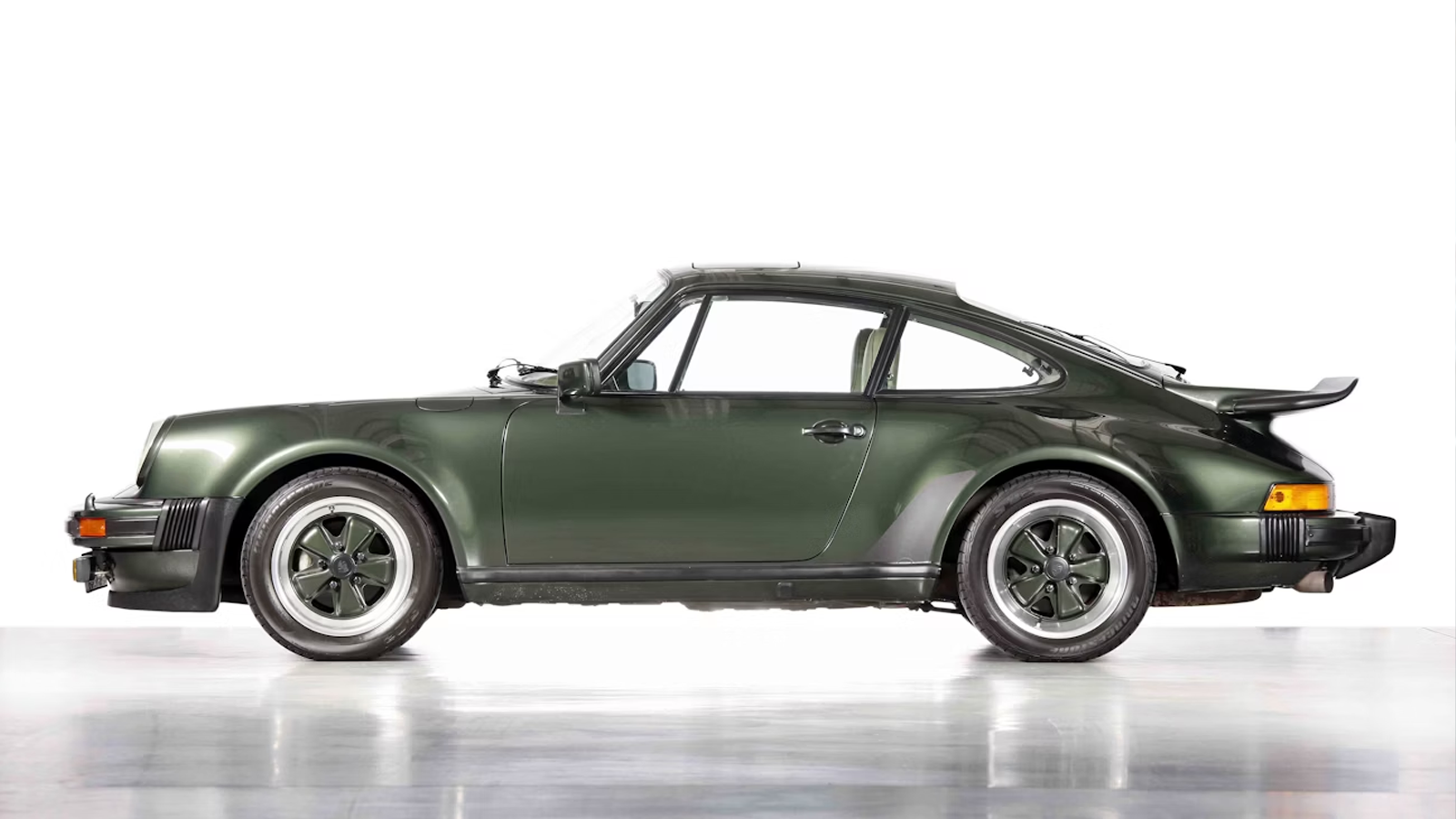
4. 1975 – The 911 Turbo (930) Brings Turbocharging to the Road
Porsche introduced the 911 Turbo, internally known as the 930, as its first turbocharged production car. Featuring a 3.0-liter turbo flat-six with 260 hp and aggressive widebody styling, it brought technology from the racetrack to the street.
The car was both thrilling and notorious—its sudden boost delivery and rear-engine layout made it a handful at the limit, earning it the nickname “the Widowmaker.” Yet the 930 marked Porsche’s first step into high-performance forced induction and helped define the turbocharged sports car segment in the 1970s and '80s. The “Turbo” badge has since become synonymous with the top echelon of Porsche performance.
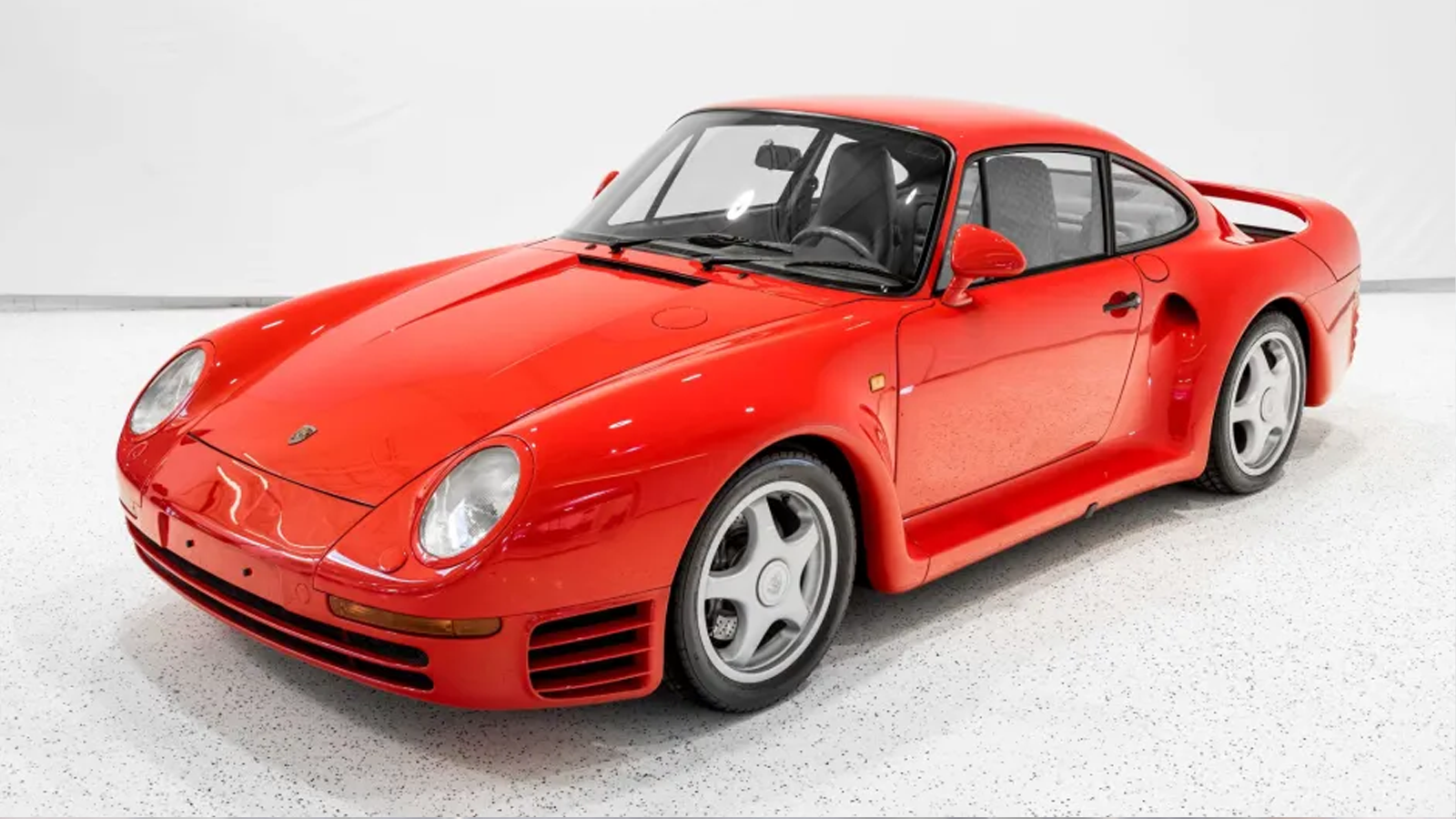
5. 1986 – The Porsche 959 Breaks Boundaries
Originally developed for Group B rallying, the 959 became a technological showcase when it debuted as a production car in 1986. It featured a twin-turbo flat-six engine, computer-controlled all-wheel drive, active suspension, ABS, and a top speed of 197 mph—unheard-of for the time.
Despite its six-figure price tag and limited production (292 units), the 959 demonstrated Porsche’s capacity to innovate at the highest level. It set benchmarks for supercars and heavily influenced future models, especially in the areas of turbocharging, AWD, and chassis management. In many ways, it laid the groundwork for the modern 911 Turbo and even the Carrera 4.
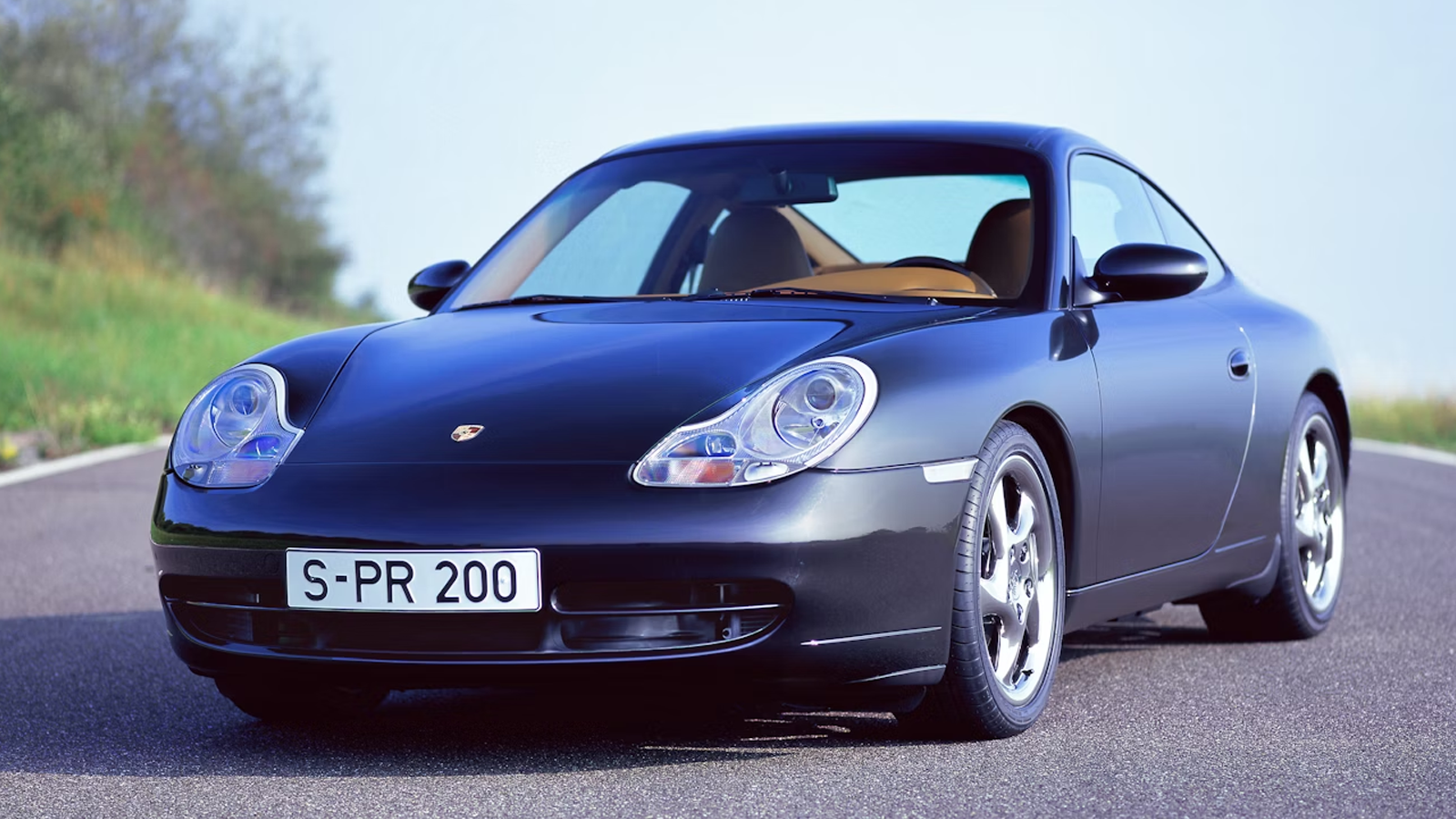
6. 1997 – The 996 Brings Water-Cooling to the 911
The 996 generation, launched in 1997 (as a 1998 model), marked the most controversial change in 911 history: the switch from air-cooled to water-cooled engines. Driven by stricter emissions and noise regulations, the new M96 engine allowed for higher performance and better efficiency, but it also ended a 35-year tradition.
The car’s appearance—particularly the “fried egg” headlights—and increased parts-sharing with the Boxster also sparked criticism. Yet the 996 modernized Porsche’s flagship and helped the company remain financially viable during a turbulent era. It introduced stability control, new production techniques, and set the foundation for future 911 evolution.
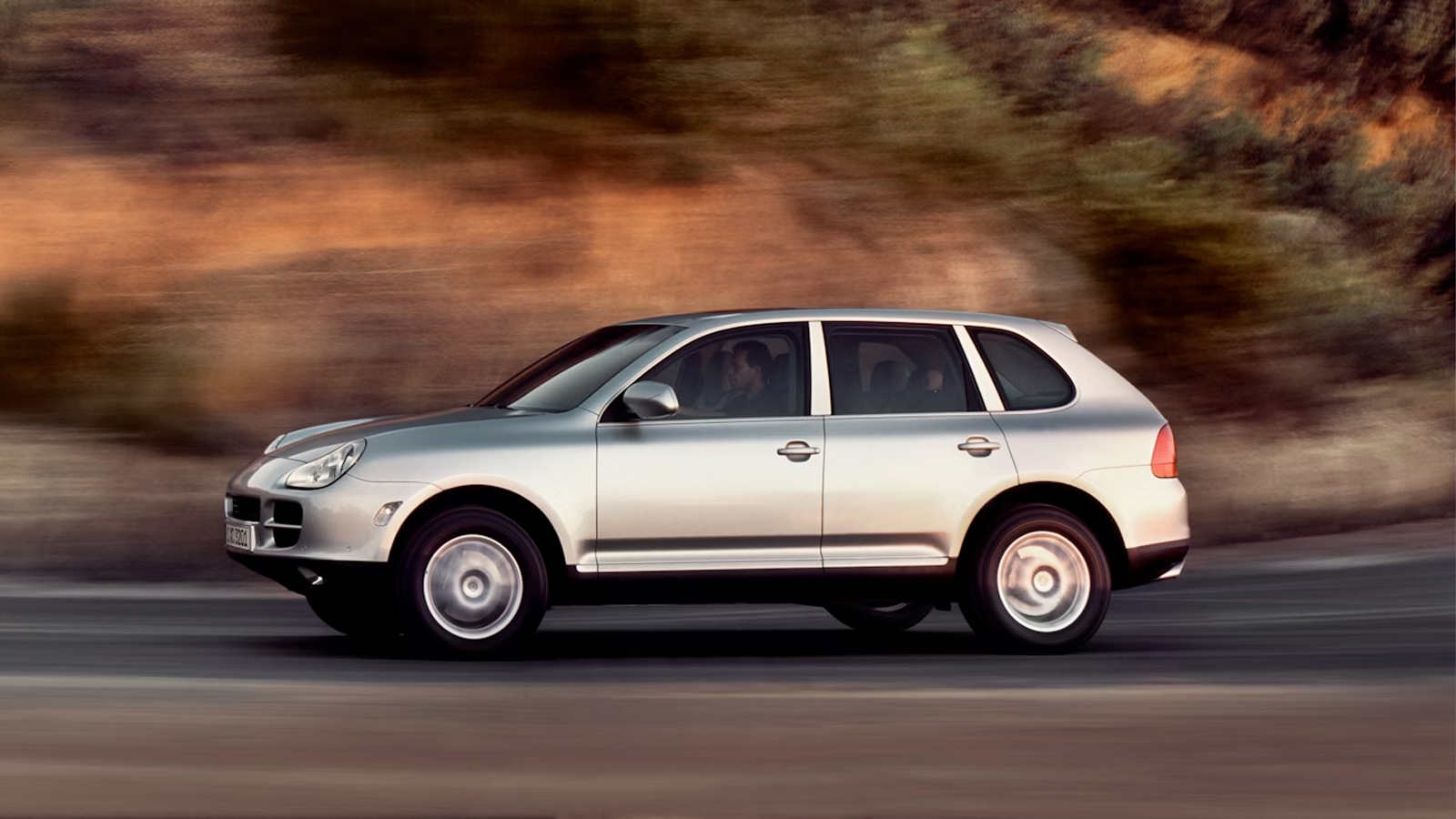
7. 2002 – Cayenne Debuts: Porsche Enters the SUV Era
The Porsche Cayenne arrived in 2002 and quickly became the brand’s most controversial—and most profitable—model. Co-developed with Volkswagen, the Cayenne was a full-size luxury SUV with genuine off-road ability and surprising on-road dynamics. The flagship Cayenne Turbo came with a 4.5-liter V8 making 450 hp.
While purists initially balked at the idea of a Porsche SUV, the Cayenne’s success dramatically improved the company’s finances. It enabled Porsche to remain independent (until the later Volkswagen merger) and fund future sports car development, including the Carrera GT and next-gen 911s. Today, SUVs account for the majority of Porsche’s global sales.
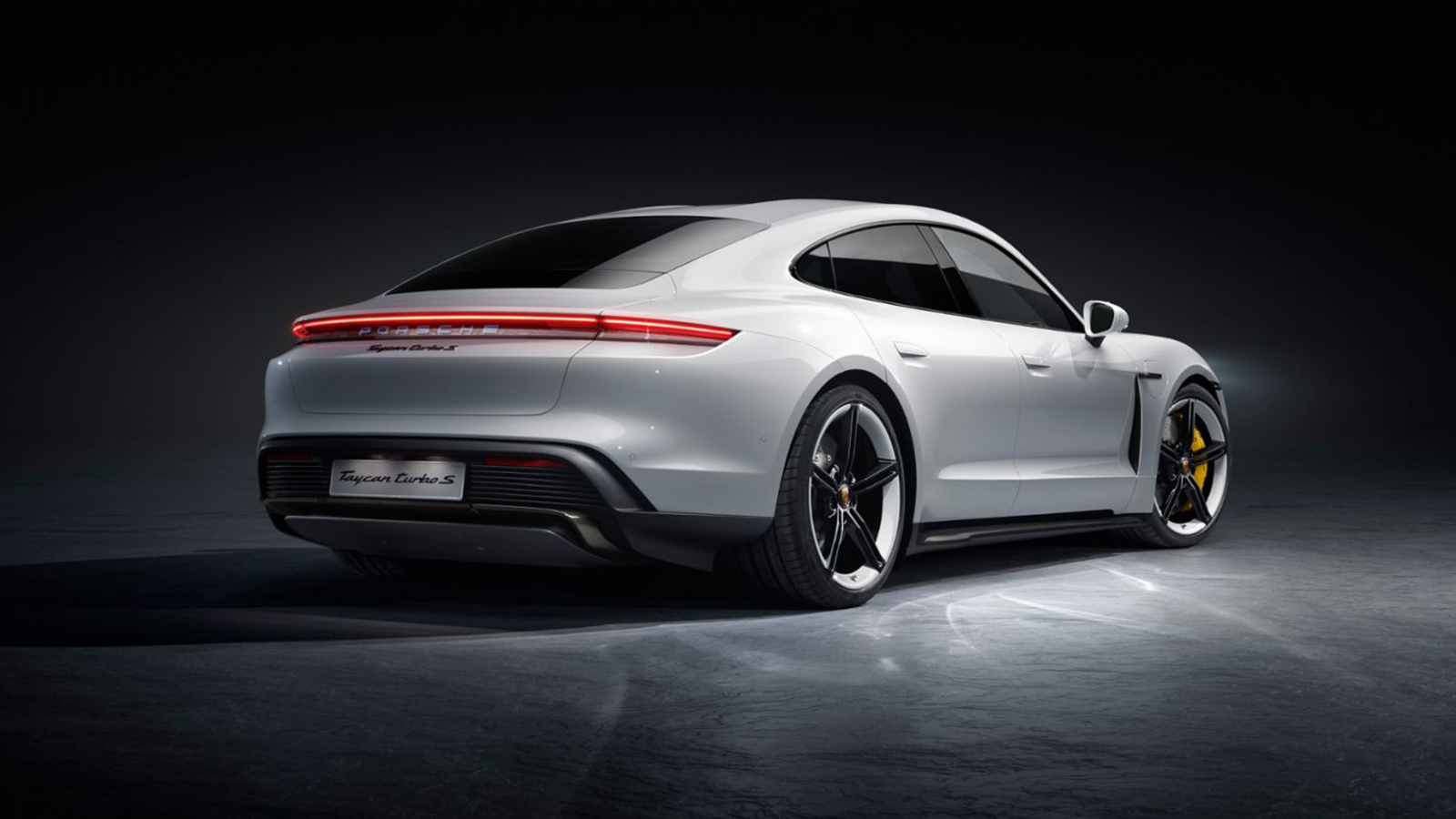
8. 2019 – Taycan Launches Porsche into the Electric Era
The Taycan, Porsche’s first fully electric production car, marked a new era. Unveiled in 2019, it debuted with dual motors, an 800-volt electrical system for ultra-fast charging, and up to 750 hp in the Turbo S variant. Unlike many EVs, the Taycan emphasized driver engagement, with a low seating position, precise steering, and repeatable performance on track.
It wasn’t just a compliance car—it was a statement that Porsche could embrace electrification without sacrificing its identity. As governments push for emissions reductions and ICE bans loom, the Taycan laid the groundwork for Porsche’s transition to a high-performance electric future.