Turns out, making an air conditioning system work at 250 miles-per-hour requires a bit of clever engineering.
Challenging Process
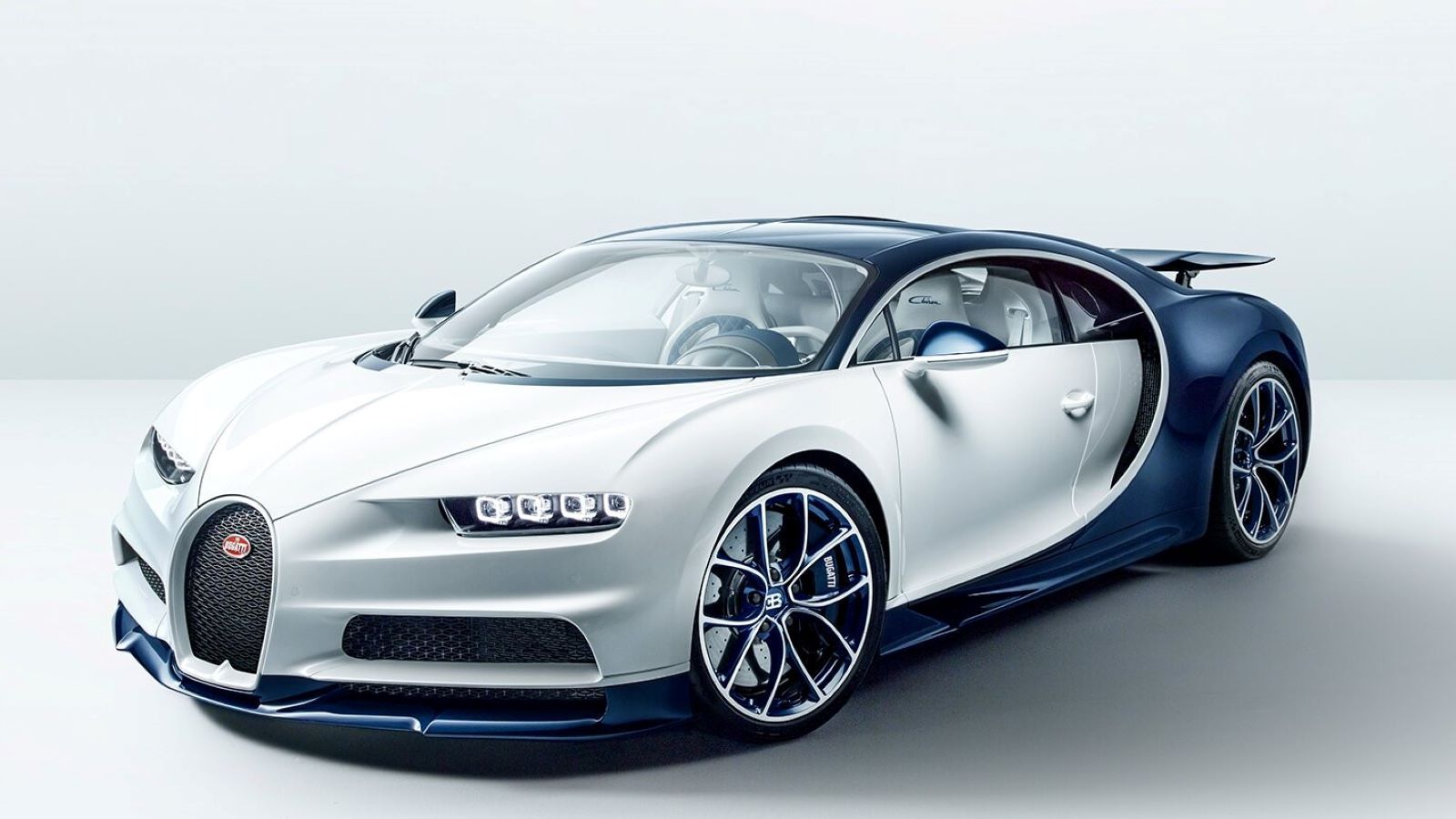
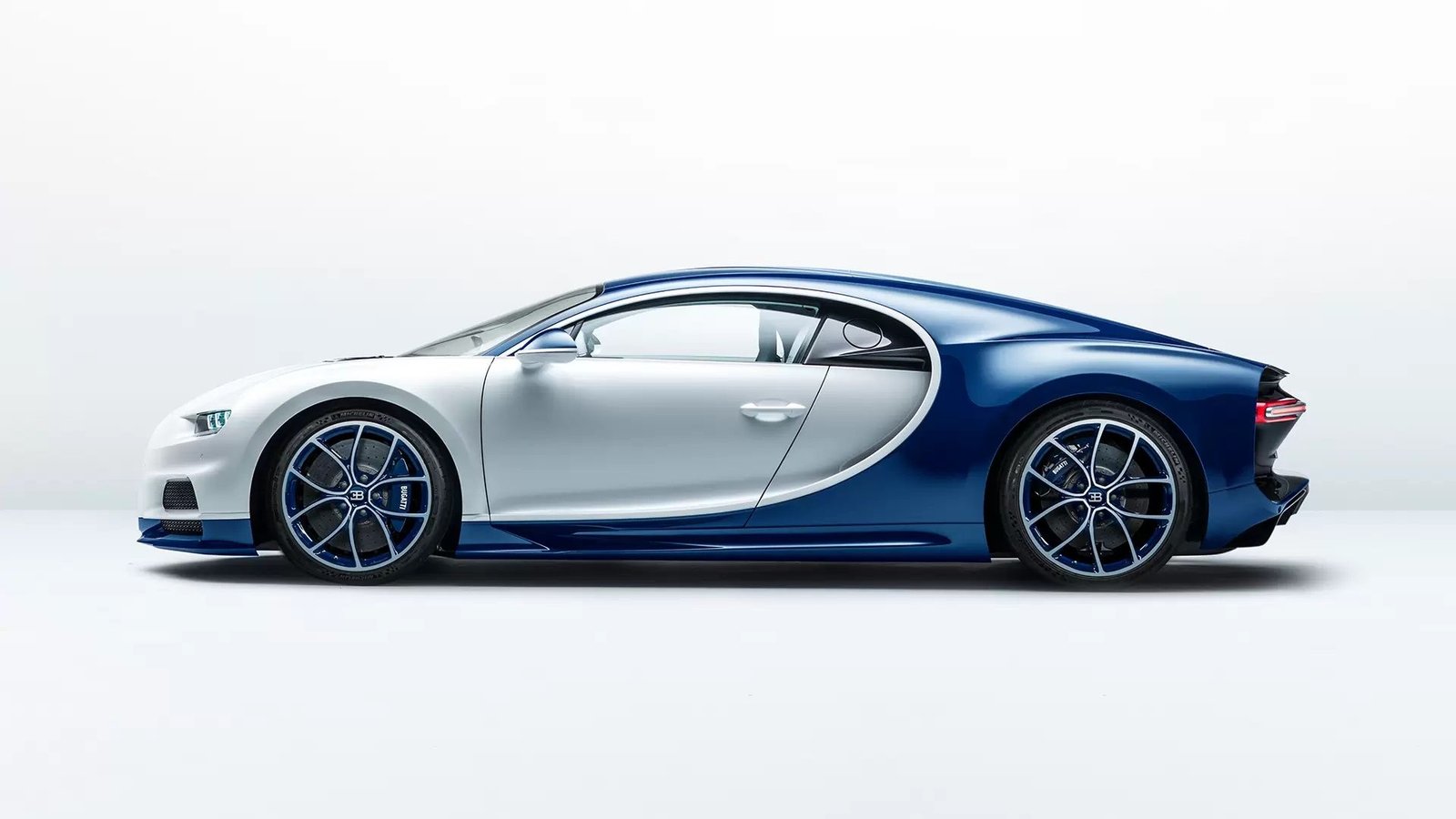
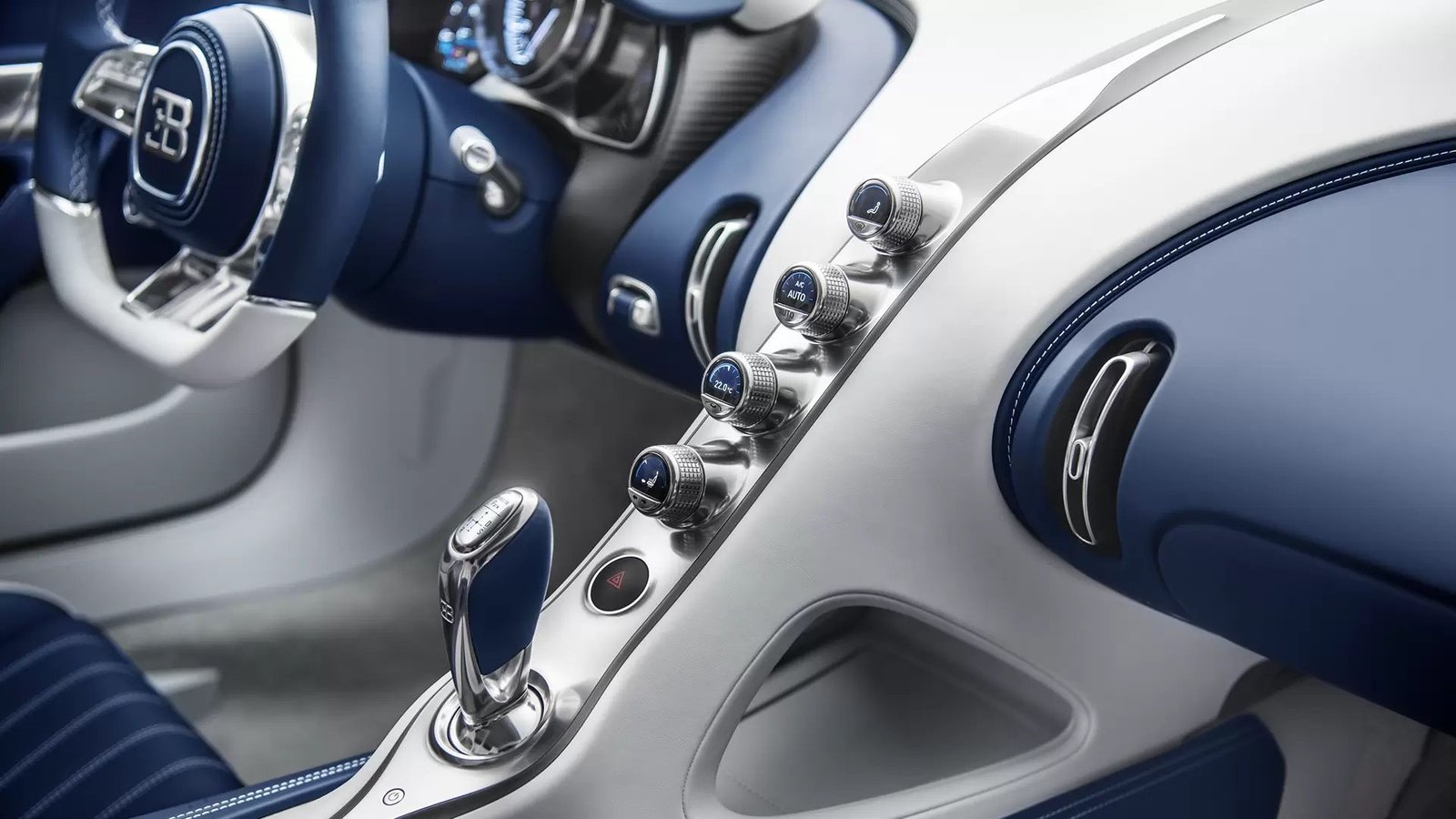
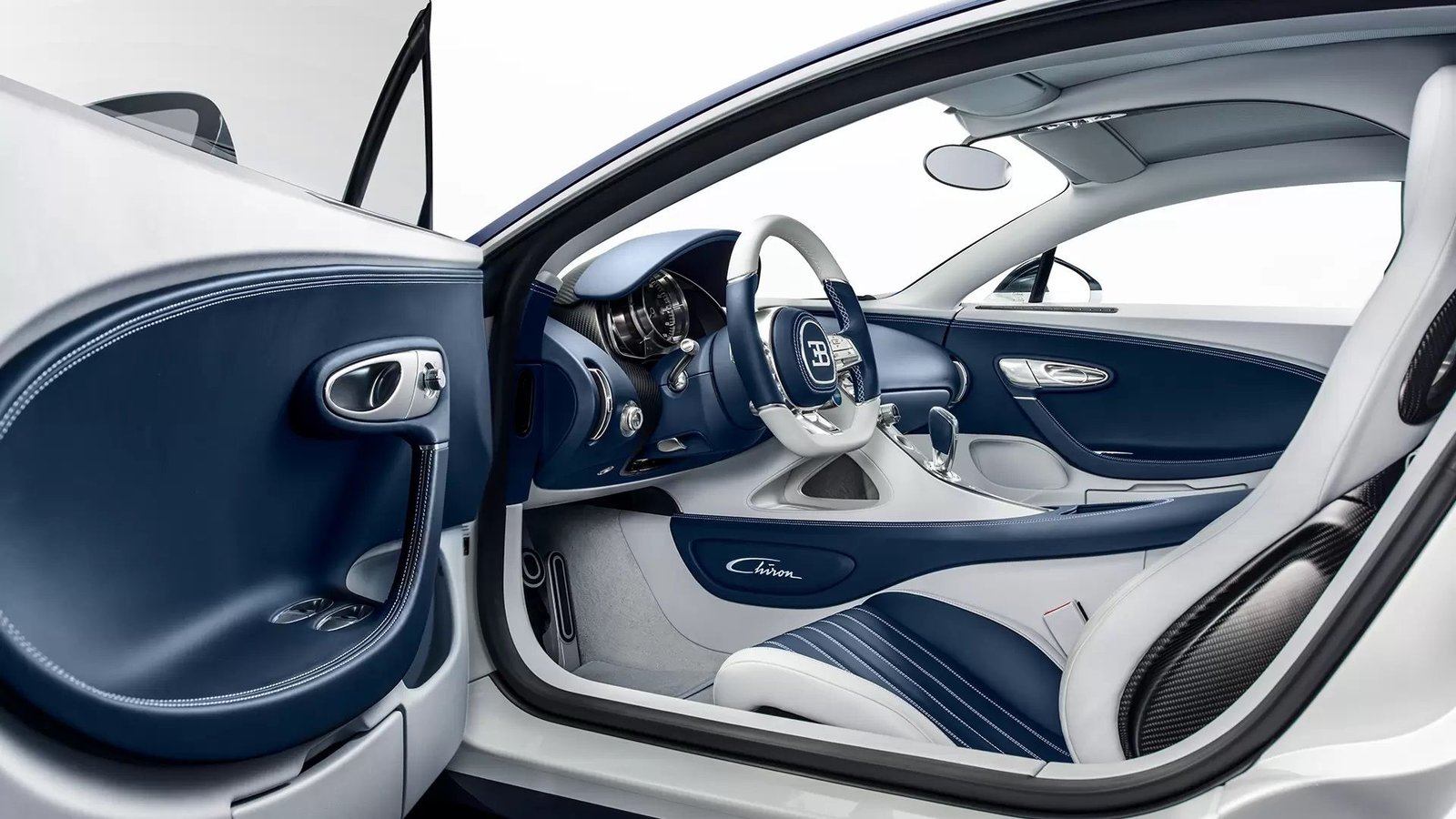
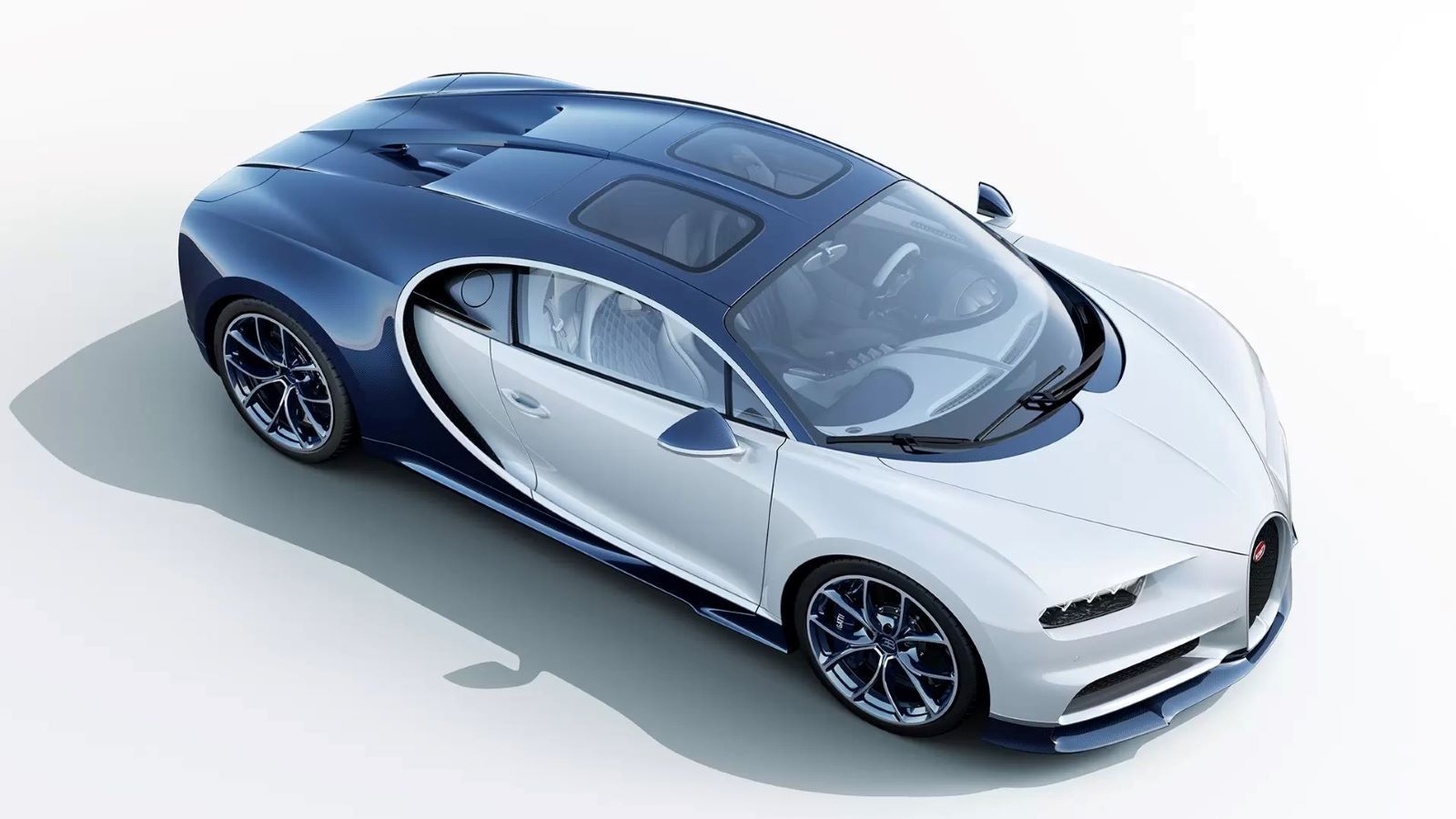
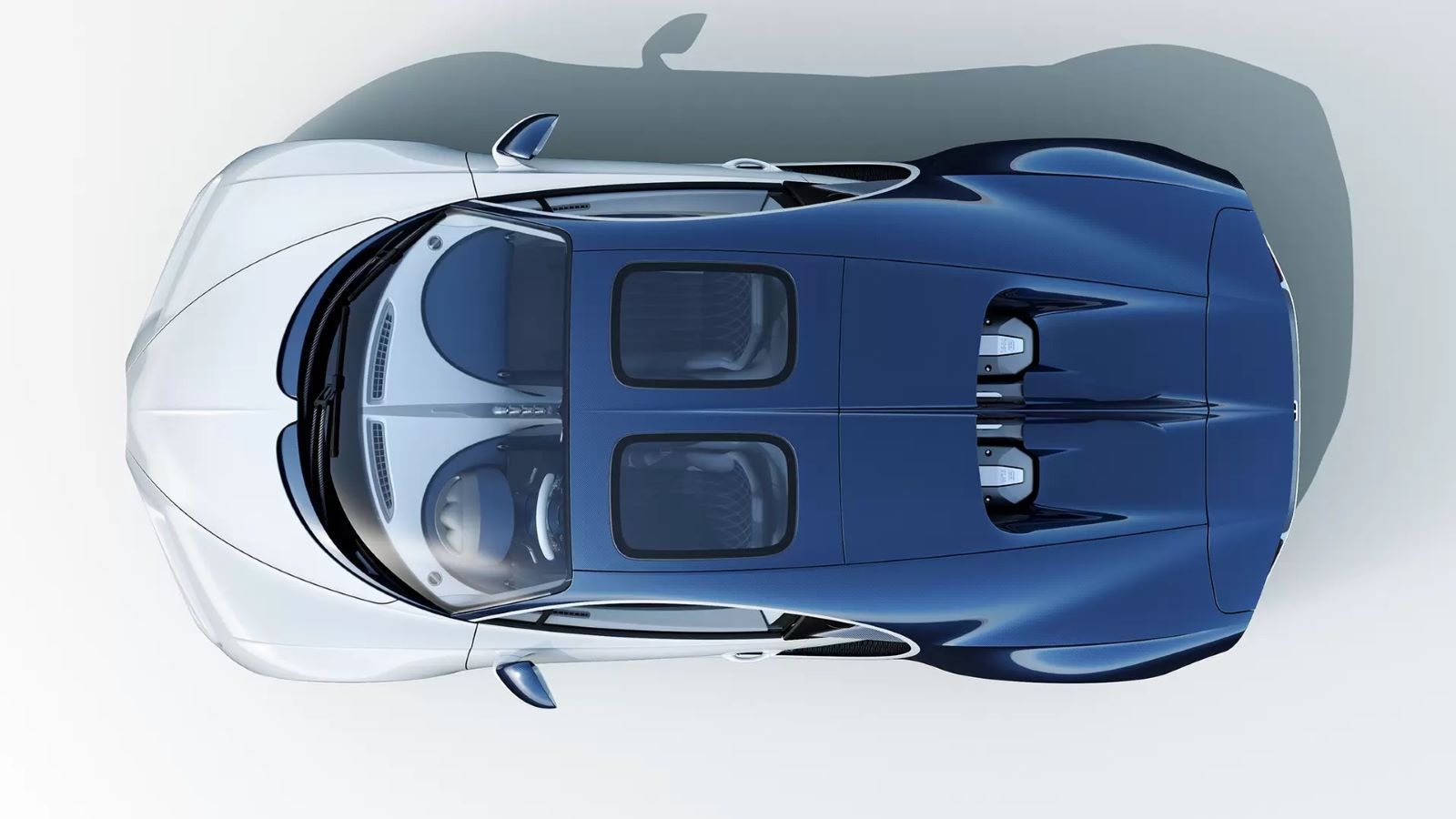
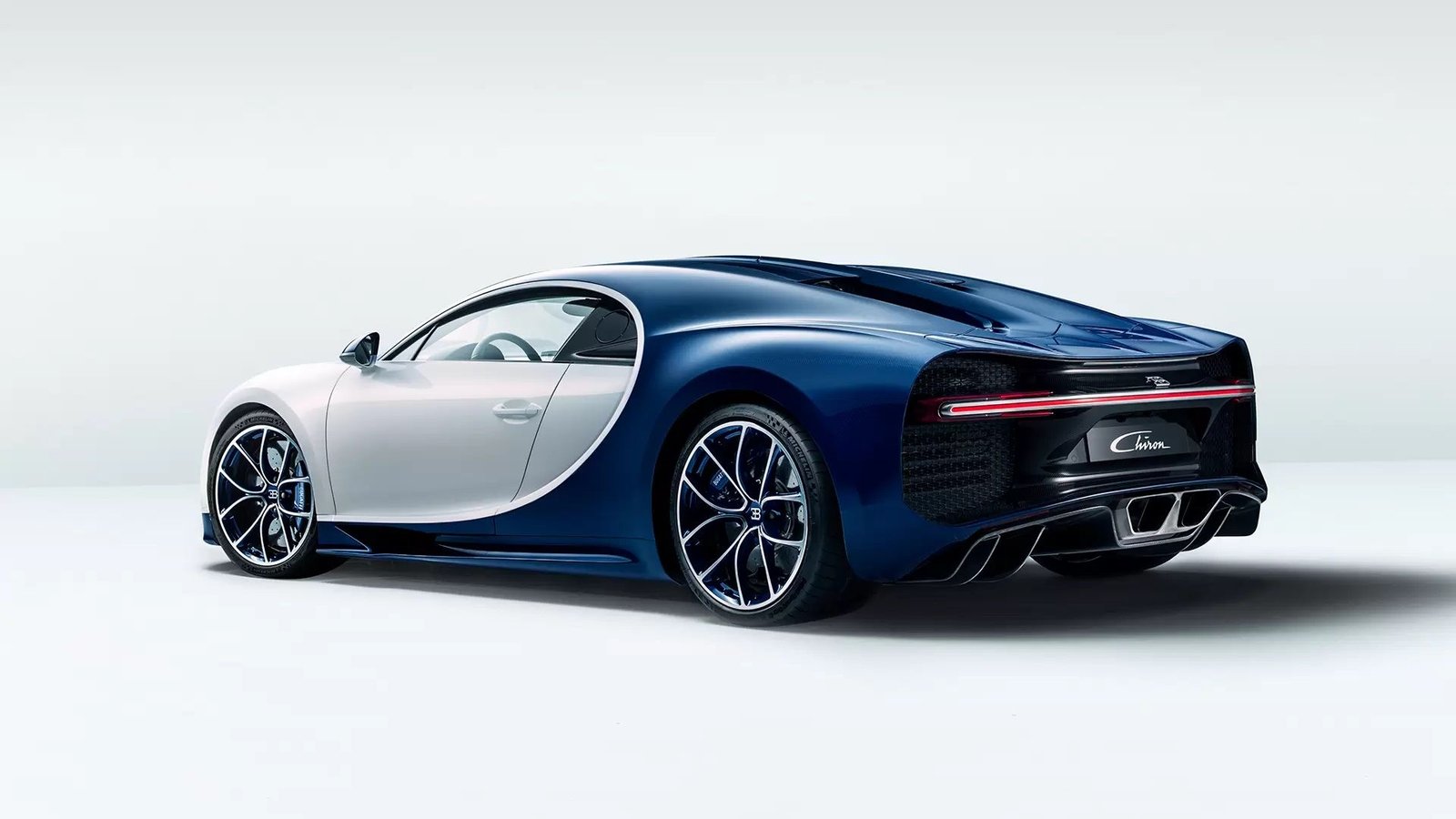
The Bugatti Chiron is often celebrated for its top speed capabilities and beautifully detailed construction. But one of the most interesting features of the car has mostly gone unnoticed to this point - its air conditioning. Because, believe it or not, designing a climate control system for a car capable of reaching nearly 250 miles-per-hour is actually quite challenging, as Car Magazine recently uncovered.
Photos: Bugatti
Finding a Solution
In fact, Bugatti has its own technical coordinator for the air conditioning systems - Dr. Julia Lemke. Lemke was a qualified historical archivist before going on to study energy and process engineering and even wrote her dissertation on car air conditioning systems. That knowledge was instrumental in finding a solution to fix a problem Chiron engineers came across during the design process.
Photos: Bugatti
>>Join the conversation about the wizardry that is the Chiron's HVAC system right here in the 6SpeedOnline Forum!
Workaround
Most vehicles' air conditioning systems draw air into the cabin from the base of the windshield. However, Bugatti engineers discovered that in the Chiron, that area switches to negative pressure at around 155 mph, which means more air is removed than drawn in. So they overcame that issue by installing a flap and blower that allow air to continue to flow into the cabin at higher speeds.
Photos: Bugatti
>>Join the conversation about the wizardry that is the Chiron's HVAC system right here in the 6SpeedOnline Forum!
Other Obstacles
Things get a little dicier at speeds in excess of 200 mph, however. The Chiron's steeply raked windshield covers more surface area than most other vehicles, which leads to greater solar load and makes the interior heat up faster. Thus, Bugatti had to come up with a workaround here as well to ensure that the Chiron's occupants could keep their cool, quite literally.
Photos: Bugatti
>>Join the conversation about the wizardry that is the Chiron's HVAC system right here in the 6SpeedOnline Forum!
Major Cooling Capability
The Chiron's A/C system utilizes two air conditioning condensers, 9.5 meters of lines, and a 10kW air conditioning compressor capable of compressing around three kilograms of coolant per minute from a pressure of 2 bar to 30 bar. According to Bugatti, this system is capable of cooling an 80-meter square European apartment. Since the compressor is mounted close to the exhaust, it requires its own cooling system as well.
Photos: Bugatti
>>Join the conversation about the wizardry that is the Chiron's HVAC system right here in the 6SpeedOnline Forum!
Regional Differences
Not just one, but two Chiron prototypes were used to develop this complex system during the developmental process, in addition to 3D simulations. But what's particularly interesting is the fact that Bugatti notes it must also tune the A/C to meet the preferences of those who live in different parts of the globe. The automaker says that Europeans prefer a temp of 21-22 degrees Celsius (69-71 degrees Fahrenheit), whereas most Americans prefer it a little bit colder.
Photos: Bugatti
>>Join the conversation about the wizardry that is the Chiron's HVAC system right here in the 6SpeedOnline Forum!
Keep Cool
Altogether, the Chiron's cooling system is incredibly complex and consists of 10 full radiators - three for the engine water, one for the charge air, two for the intercoolers, and single coolers for the engine, transmission, differential, and hydraulic oil. It's easy to dismiss A/C as a pretty basic system in any car, but knowing what went into the Chiron's aircon makes us appreciate people like Dr. Lemke for their efforts in keeping us cool.
Photos: Bugatti
>>Join the conversation about the wizardry that is the Chiron's HVAC system right here in the 6SpeedOnline Forum!