Porsche's legendary test track was once just a figment of Herbert Linge's imagination.
The Perfect Site
In 1959, Porsche was in search of a suitable test track for the development of their bigger, wider, faster sports and racing cars. Herbert Linge, a Porsche employee and respected rally driver, suggested to the company try a patch of arid land adjacent to his hometown of Weissach. Ferdinand Porsche liked the idea, quickly bought up the property, and broke ground just a year later.
Photos: Porsche
A Simple Start
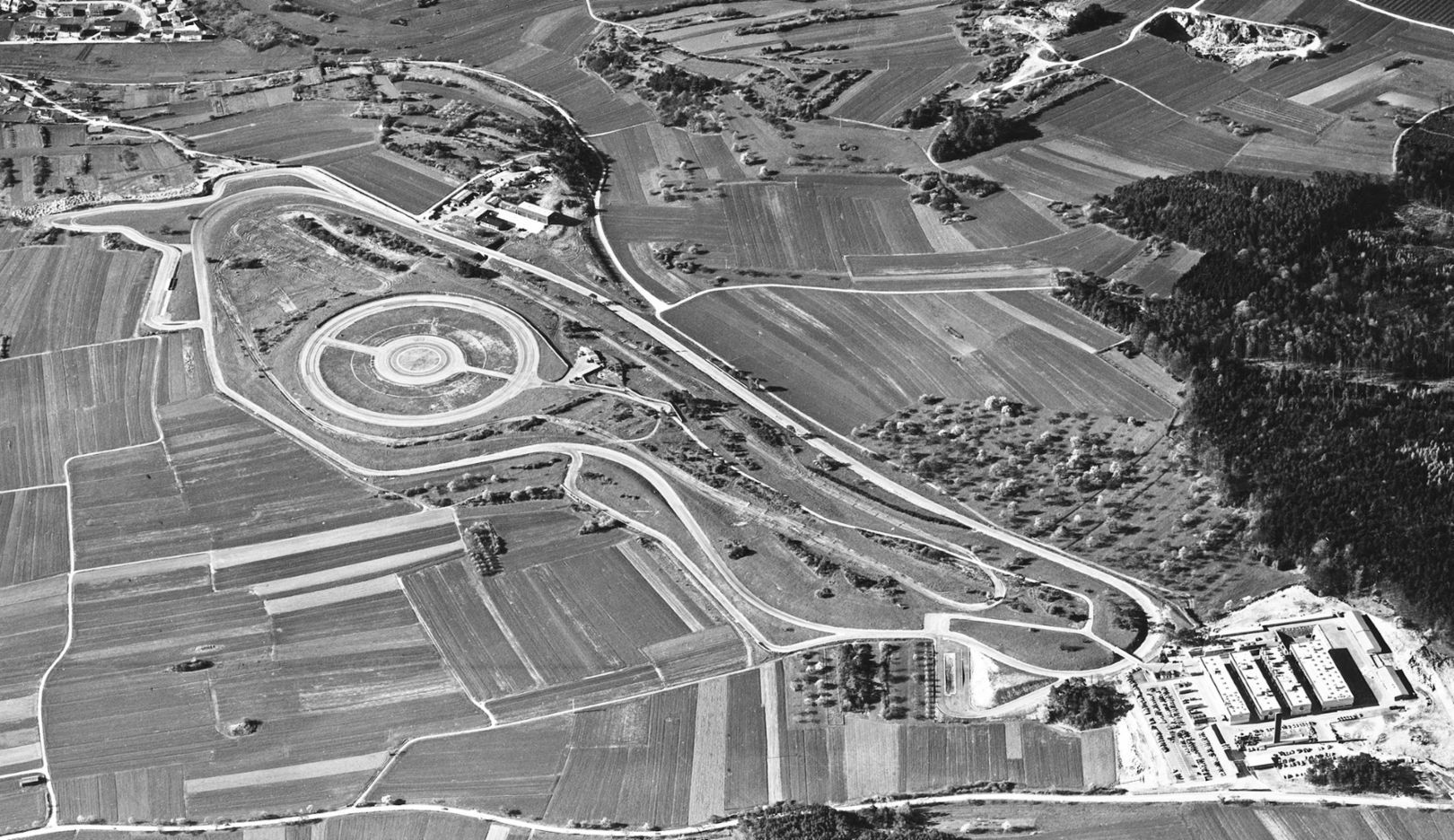
The testing grounds began with the construction of a small series of concentric circles. These circular skid pads were where the early team maximized the amount of grip the 901 could produce. On tracks with varying inner diameters, they could simulate the performance of the cars at slow, medium, and high speeds.
At the center of these concentric circles stood a simple hut designed to house the personnel and their measurement devices. Funny how such a grand operation began with such a basic layout.
Growing Grounds
By 1968, Bott hired engineer Jochen Freund to lay out a test track. The more angular mountain circuit simulated real-world driving and could be used to test in a wide variety of conditions.
Fast sections, blind crests, and hairpins made it a grueling test track that didn't forgive clumsiness.
Developing Downforce and Changing the Landscape
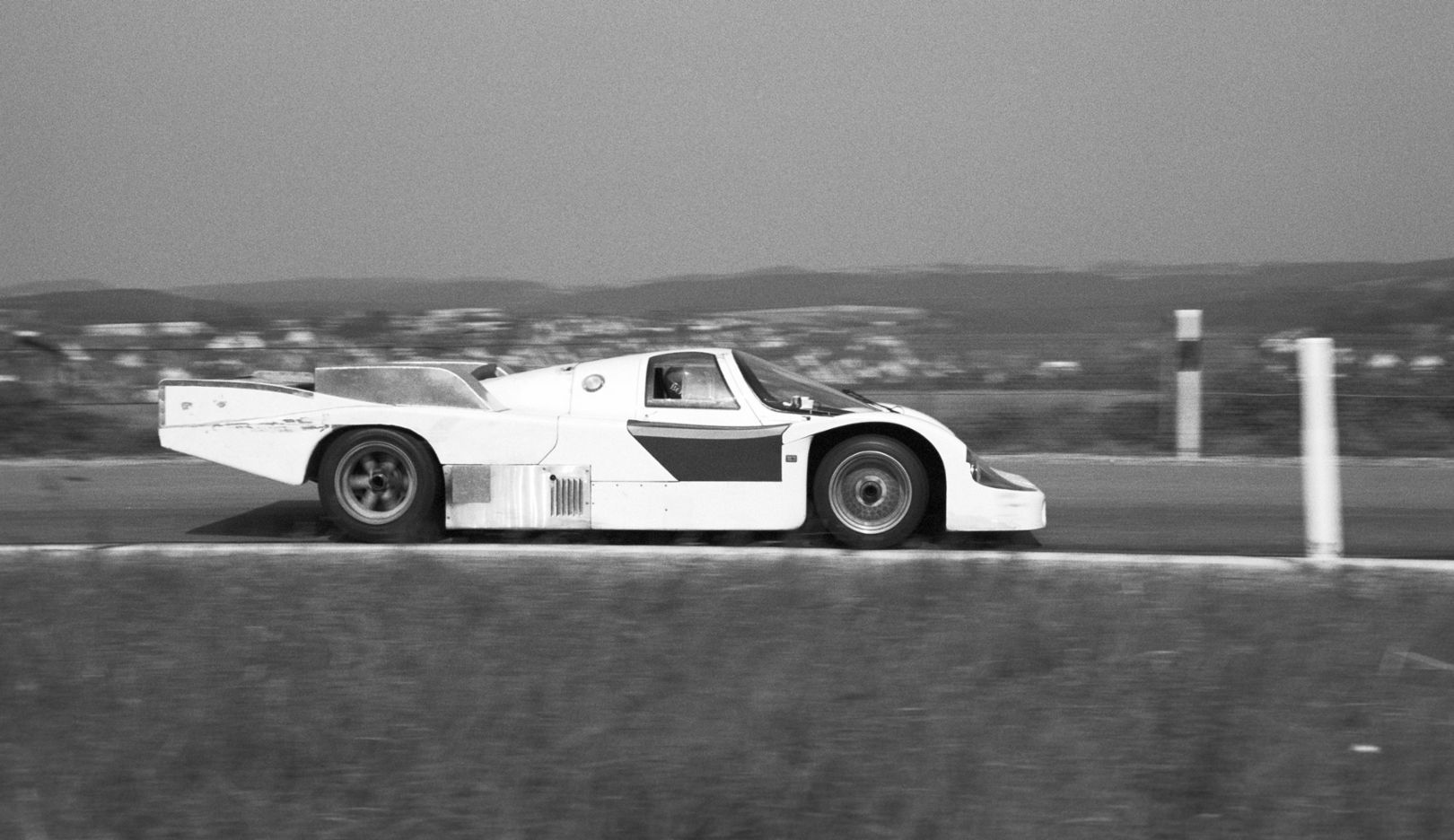
A few years after, Helmuth Bott, head of testing and development, started to wonder whether the new 956 could outpace its older brother around this fast, flowing circuit. The 956 weighed roughly the same as the old 917, but the tires were narrower and its turbo motor couldn't match the output of the glorious flat-twelve. In fact, it was about two hundred horsepower down.
Put Through the Ringer
But the 956's resilience was what made it the success it was. Porsche's racing cars had to withstand thousands of kilometers before they were approved for their racing debuts. Rough surfaces meant to shake the cars to bits were utilized.
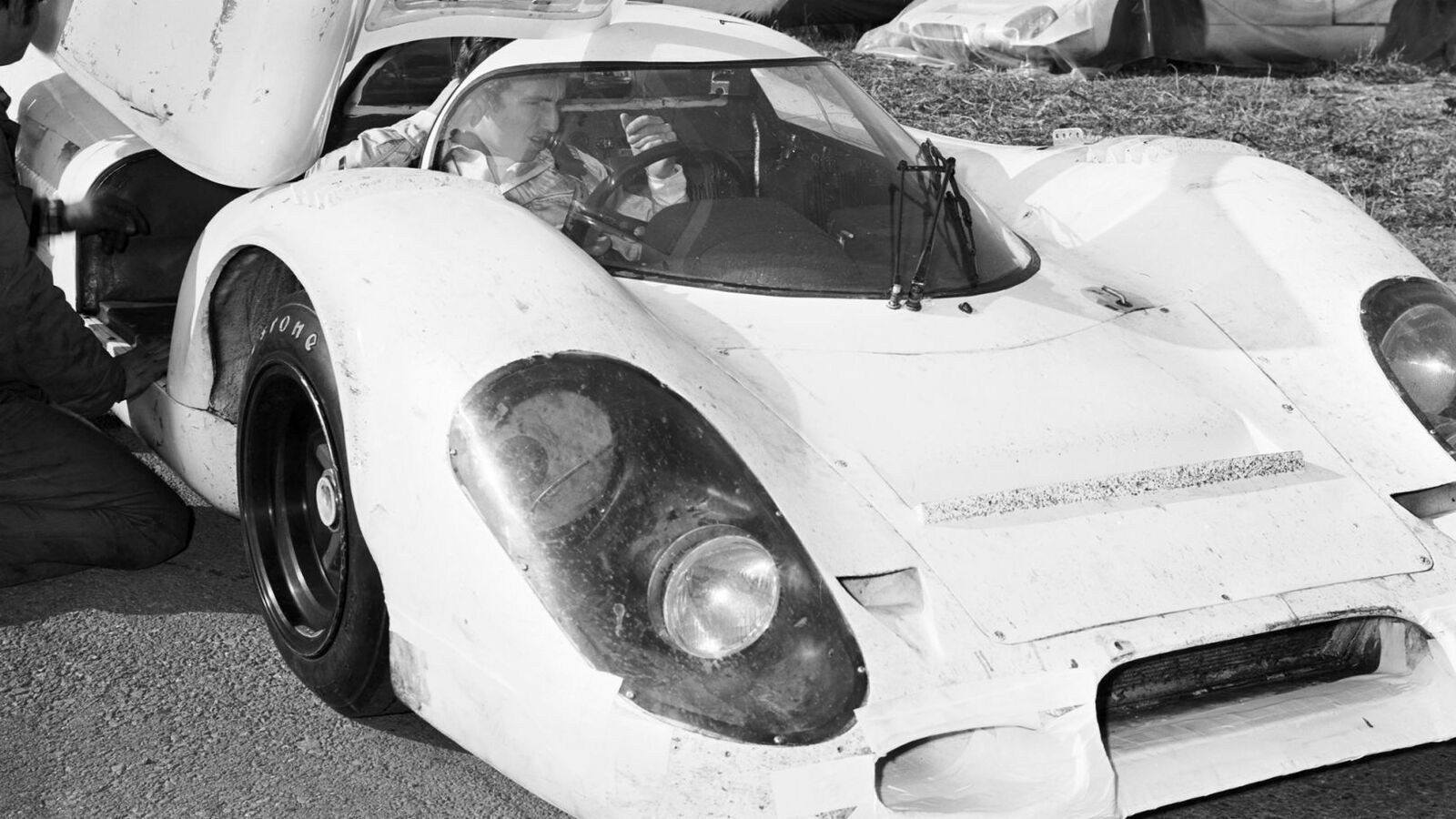
As much as this was an ordeal for drivers and cars, it was absolutely essential to Porsche's success. The possibility of a victory at 1969 12 Hours of Sebring was, due to a lack of testing, lost when rain and then snow fell in Weissach. Because the new 908/02 Spyder could not be driven on the vibration test track, there wasn't much chance of prepping the car for the abuse the concrete slabs at Sebring would bring. Even the 917 (above) was put through the wringer before its Le Mans debut. Such was the training regimen that made Porsche known for making robust machines.
Early Aero Testing
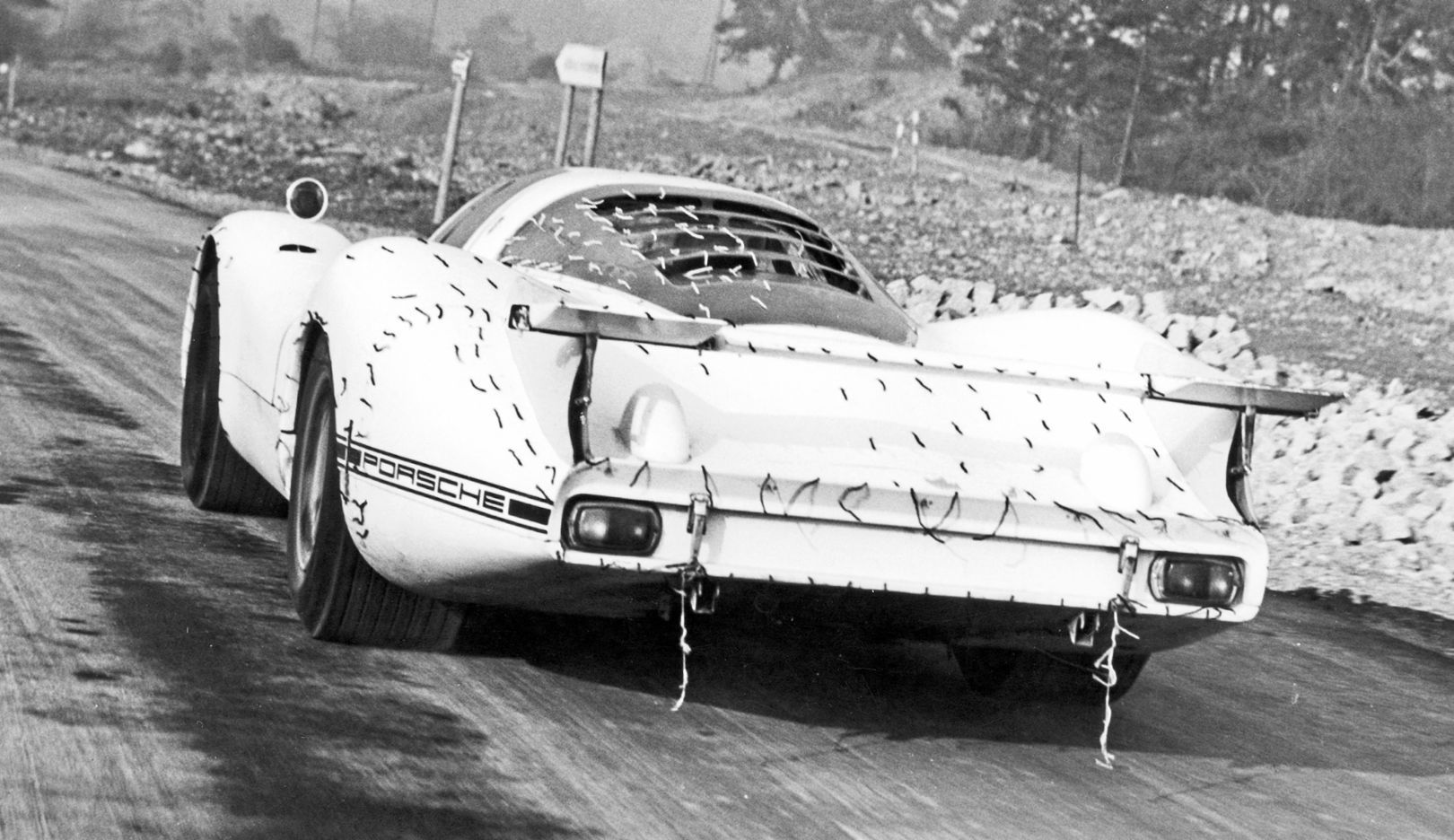
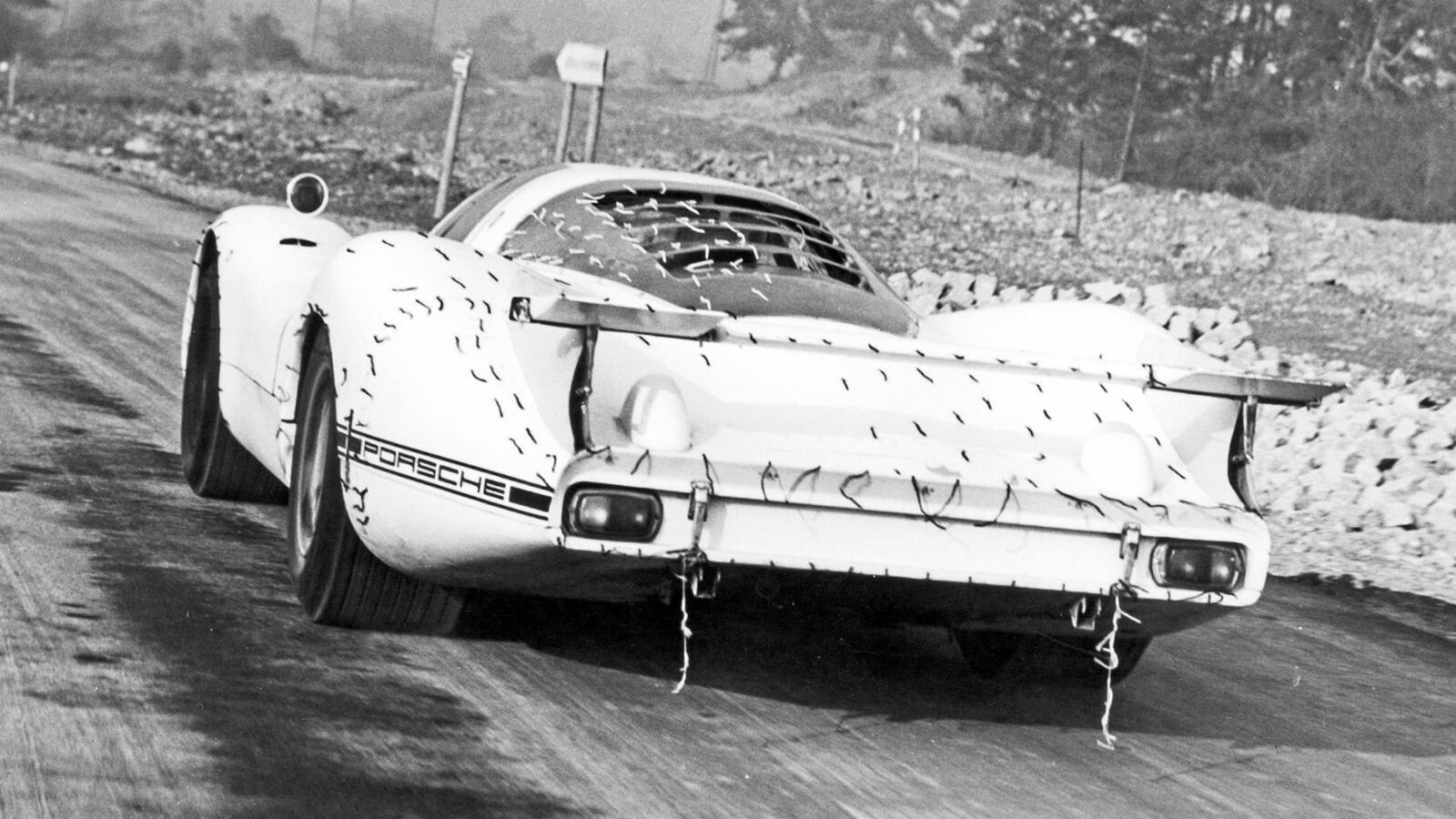
In fact, the skidpad was large enough to test aerodynamics. True, the means of measurement were crude by today's standards and far from the exacting nature of a wind tunnel, but they sufficed. Note the photo above to see some rudimentary woolen threads used to study airflow over a 908's body.
Future Updates
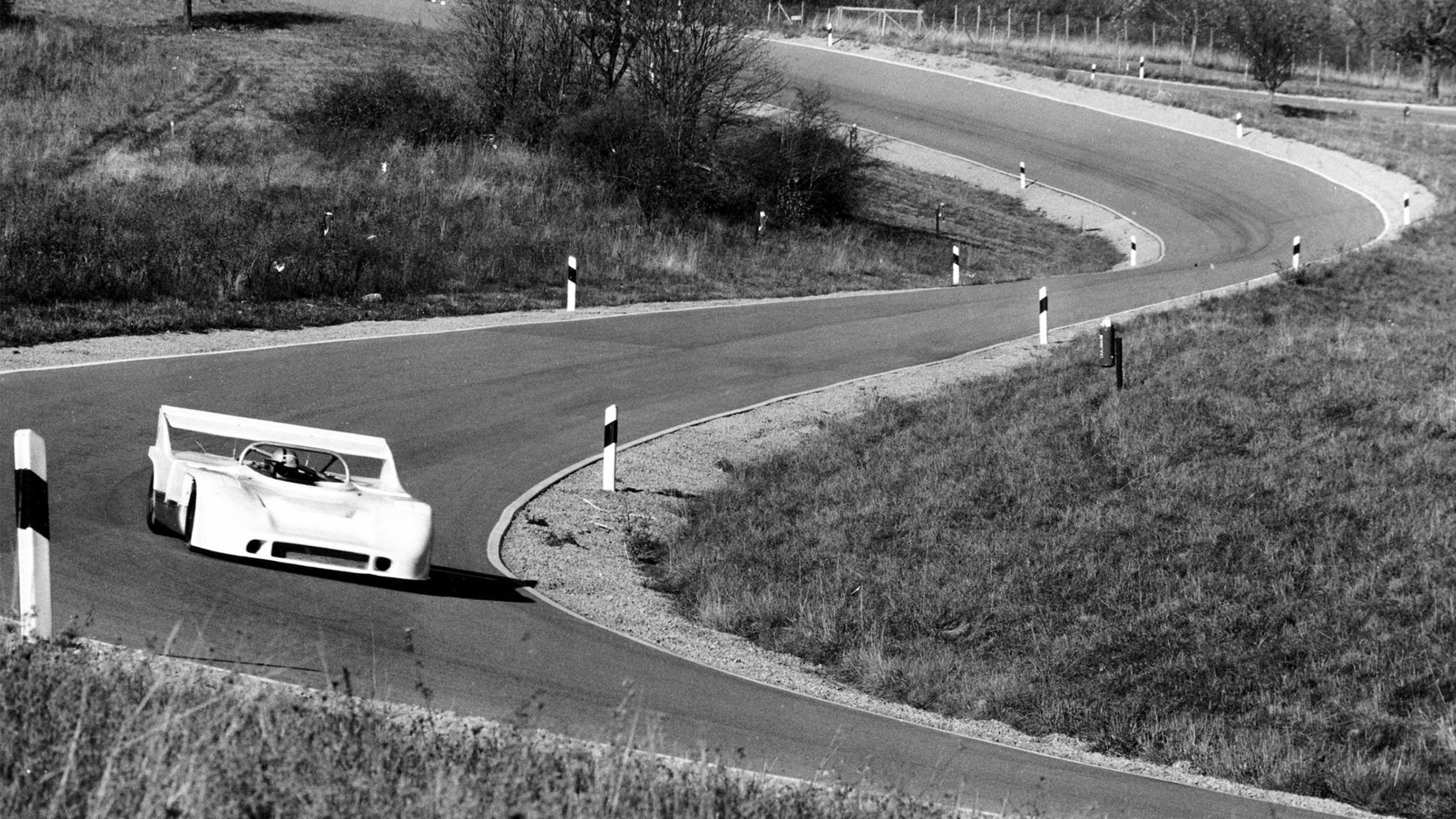
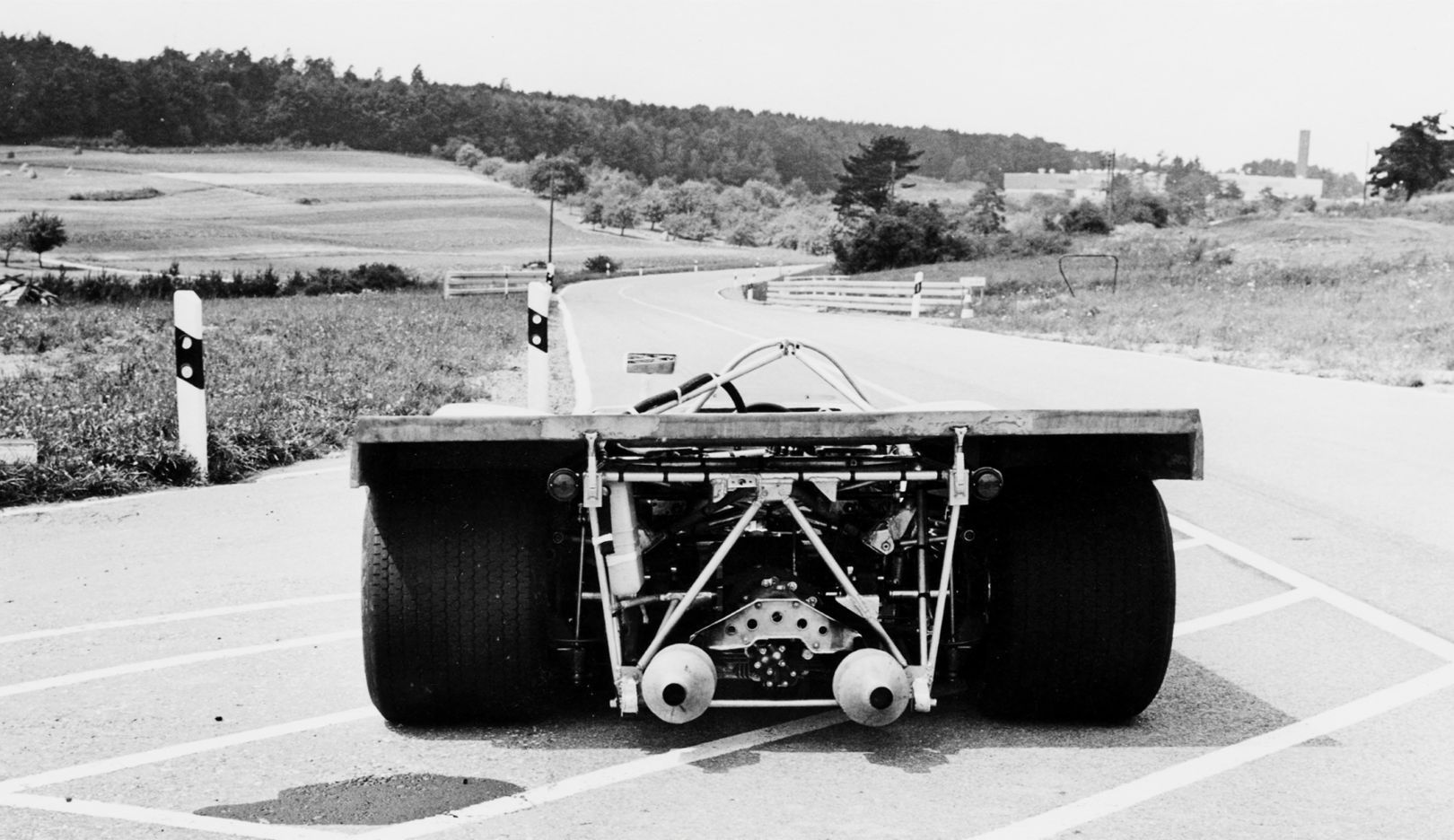
By 1971, the circuit was augmented to accommodate the powerful 917s that needed a little more room to stretch their legs. This fast, flowing, serpentine addition was named for the Can-Am cars which tested on it. Since 1972, the fastest recorded lap there was in an 850-horsepower 917/10.
Nothing Too Fast
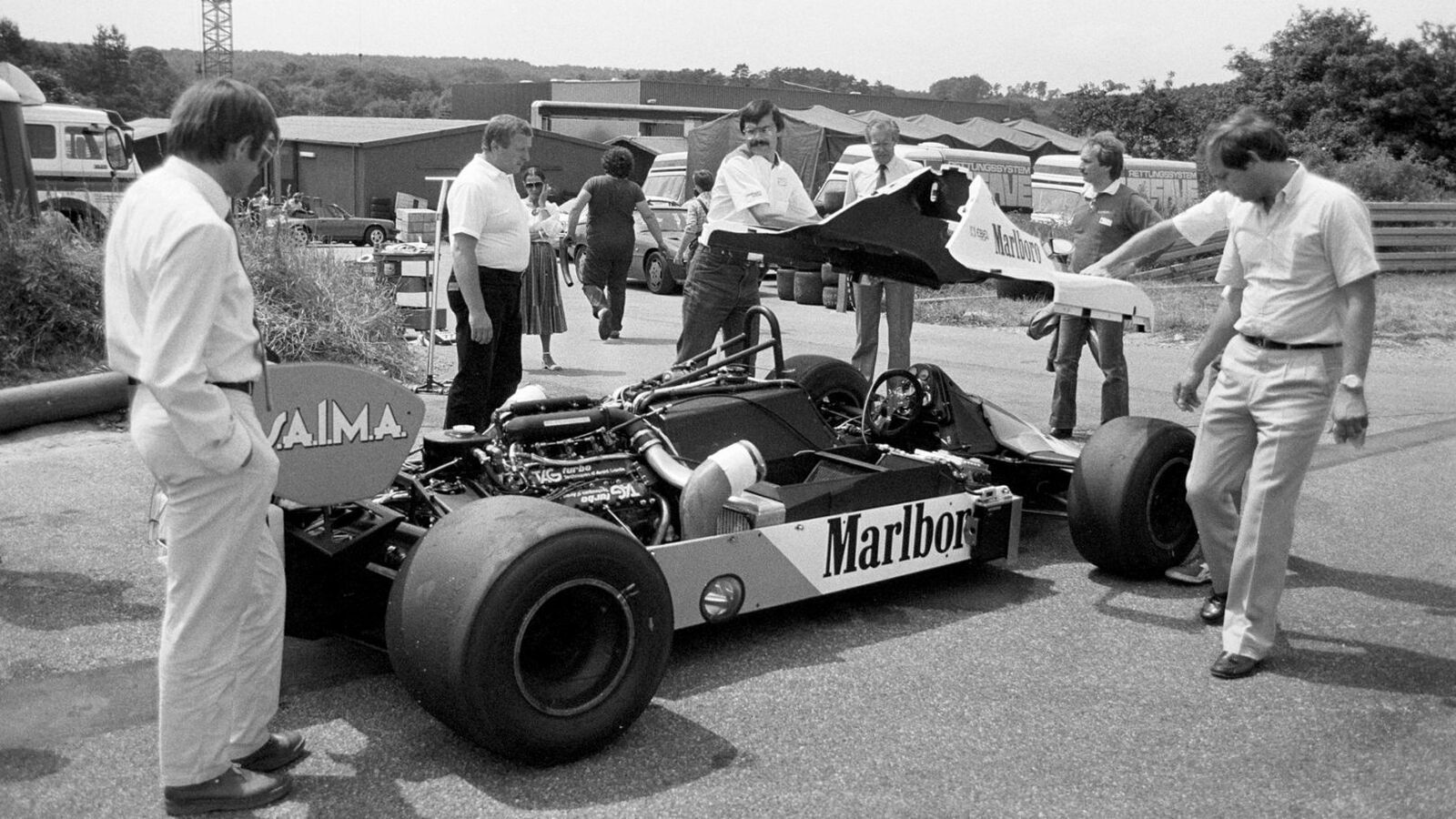
Even F1 got involved with Weissach. When McLaren needed Porsche's services—mainly their engine-building skills—they used this very track to test their 900-horsepower MP4/2. This car, powered by Porsche's 1.5-liter V6 turbo, made McLaren one of the most dominant F1 teams in the 1980s.
>>Join the conversation about the development of Weissach track right here at Rennlist.com.
>>For help with your do-it-yourself maintenance and repair projects, please visit our how-to section.