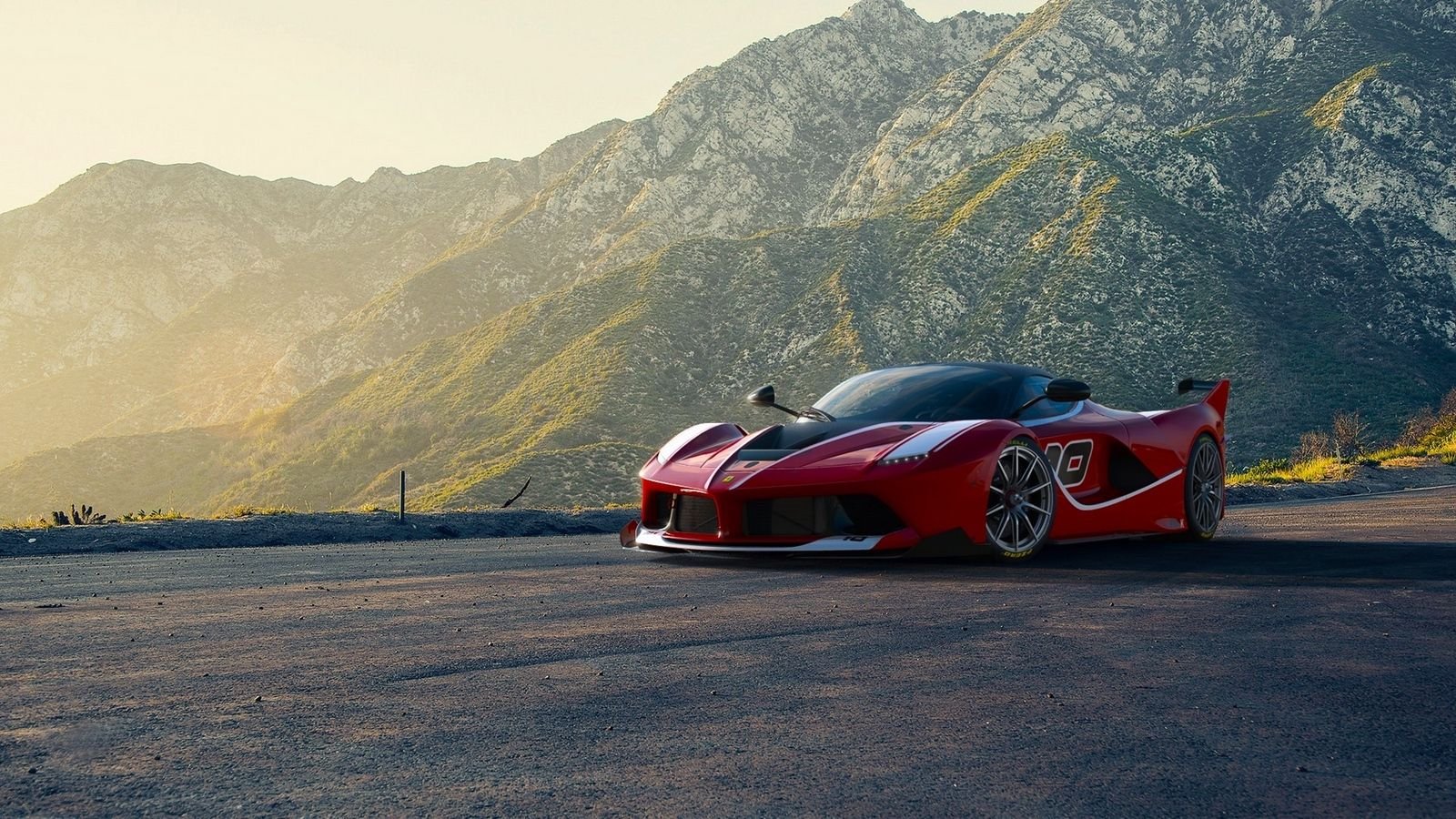
Slideshow: Will light weight and aerodynamics be the final frontier? Let’s look at the future of automotive design and where supercars are going. Starting right now…
Super Evolution
Something strange happened between the 1990s and now: cars started getting heavier. Not just a little heavier… a lot heavier. This year what is considered lightweight is something around 3,200lbs. Anything less than that and people get at weak in the knees. We’re forgetting that cars like the McLaren F1 had a V12 engine and seated 3 people. It weighed 2,509lbs.
Cars are Getting Heavier
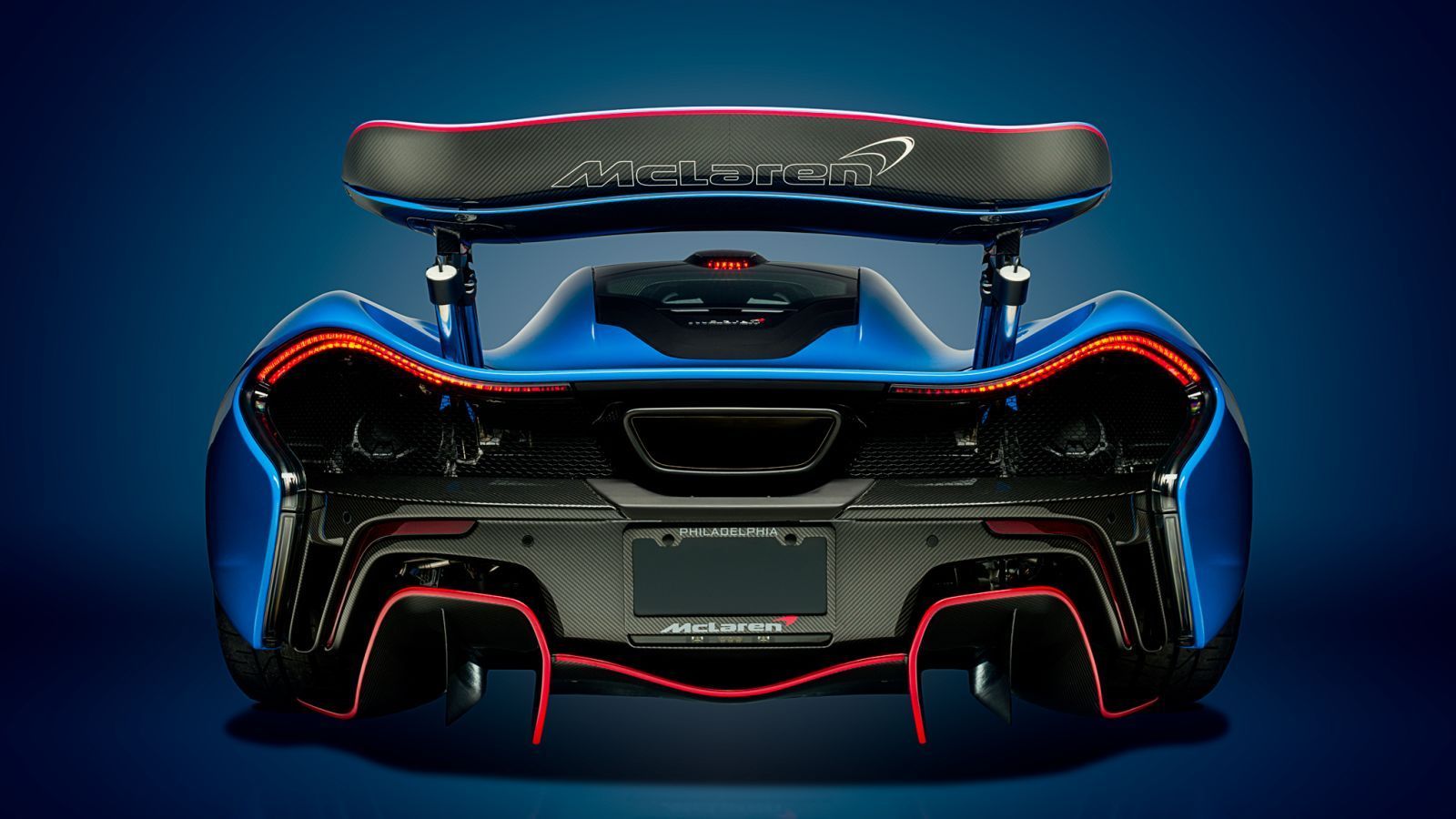
These days, supercar manufacturers all advertise how much downforce a car makes. It’s become the new buzzword and for good reason. The final frontier of sports car design in 2019 would appear to be lighter weight and aerodynamics with cars like the P1 GTR able to slam the lap times of cars like the F1 due to massive wings that press the tires into the ground.
image courtesy of i.kinja-img.com
>>Join the conversation about aerodynamic and weight saving tech right here in the 6SpeedOnline Forum!
Gordon Murray’s Vision: Ultra-lightweight Vehicles
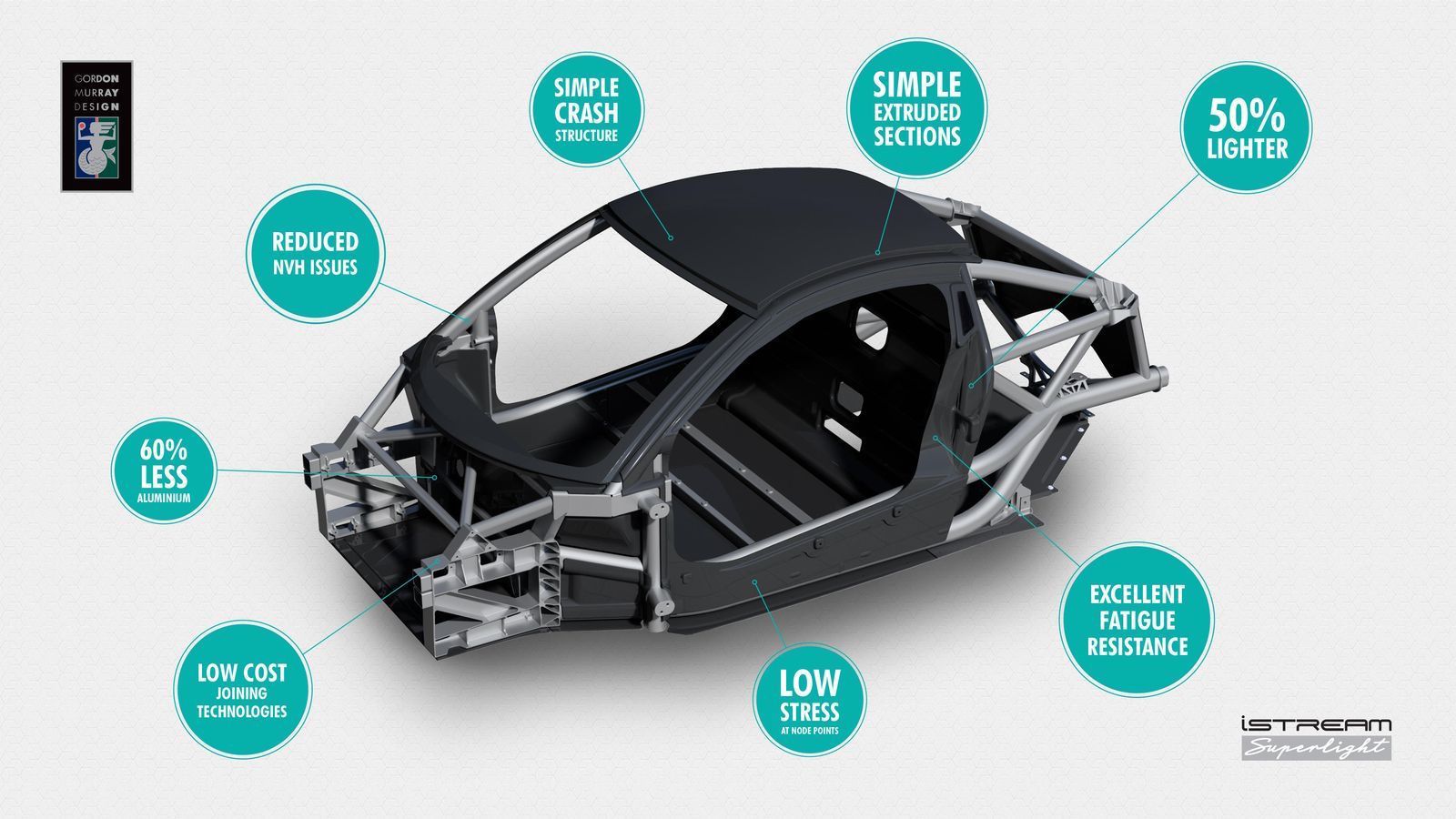
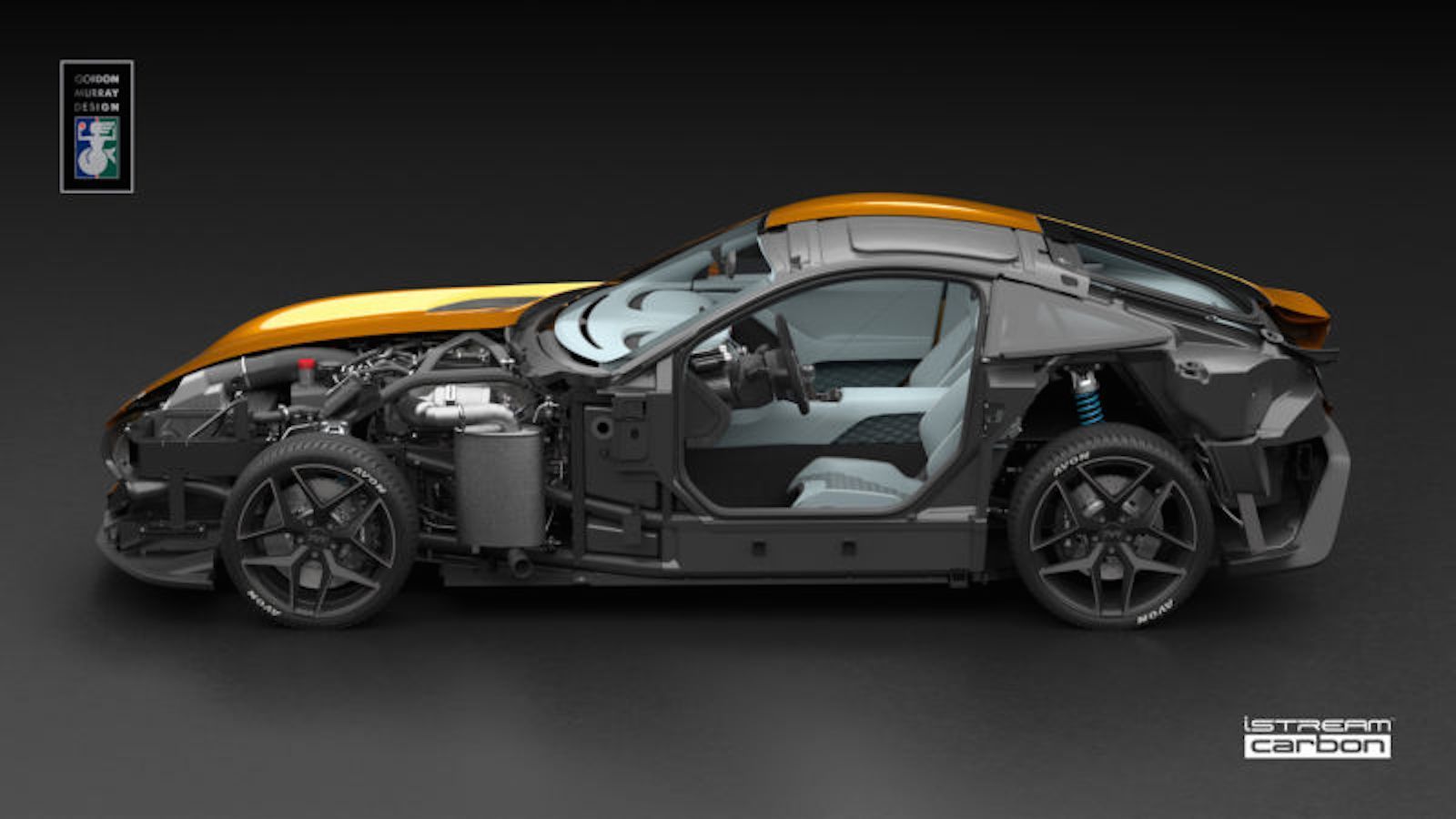
It would seem this lighter weight vision is exactly what the father of the McLaren F1 is bringing to reality. Gordon Murray Design has created something called iStream which will likely be the future of the everyday car and the supercar as we know them. The company—headed by Murray—claims to be capable of reducing the weight of a traditionally manufactured body by up to 50%. They are already planning on building a car called the T.43 which will weigh 1,600lbs and produce 220hp.
>>Join the conversation about aerodynamic and weight saving tech right here in the 6SpeedOnline Forum!
1:1 Power to Weight Ratio Achievable?
Engine development has come to the point where 1,000 horsepower comes with a warranty and turbocharging is a finely honed art—a far cry from peaky experimental engines of the 80s. Aerodynamics have clearly come to the forefront as well, with designs like flat floors and rear diffusers fairly common practice on vehicles from Koenigsegg and Bugatti. If something like the T.43 could adopt a twin-turbo V8, we would be looking at power to weight ratios of almost 1:1 with aerodynamics that would propel cars into a league even pro drivers would have to readjust to.
>>Join the conversation about aerodynamic and weight saving tech right here in the 6SpeedOnline Forum!
Performance cars that can Turn in High MPG
As battery packs evolve and range extends, it’s inevitable that we will likely get unprecedented MPG in hybrid supercars as well. We may just see a time where 1,000hp is also capable of cylinder shut off or full EV mode that allows a car to travel 400-600 miles on electric power alone. Remember that weight has been a crucial part in the furthering of EV technology as well. Improvements in both these departments would likely see a need for tires to catch up to what is possible.
>>Join the conversation about aerodynamic and weight saving tech right here in the 6SpeedOnline Forum!
Government Intervention
All of this bodes really well for the enthusiast which begs the question: will technology be able to keep up or would super vehicles lead to more fatalities on the road today? With more access than ever before, it would seem government intervention on horsepower restrictions or license requirements may become a reality in the future. Another step change at this point would seem dangerous, but I’m willing to test out one of Gordon’s cars with a 1000hp engine if he wants to call me next week!