When you click on links to various merchants on this site and make a purchase, this can result in this site earning a commission. Affiliate programs and affiliations include, but are not limited to, the eBay Partner Network.
I did scan my Virage when I first got it and it isn't totally free of misfires but it was only single digits over a 20 minute period so are we talking check engine levels of misfire before the cat is damaged or could my car be quietly damaging the cat?
I am also curious as to whether the pops and bangs on the overrun actually cause any damage as they are quite cool, especially with the secondary cats removed!
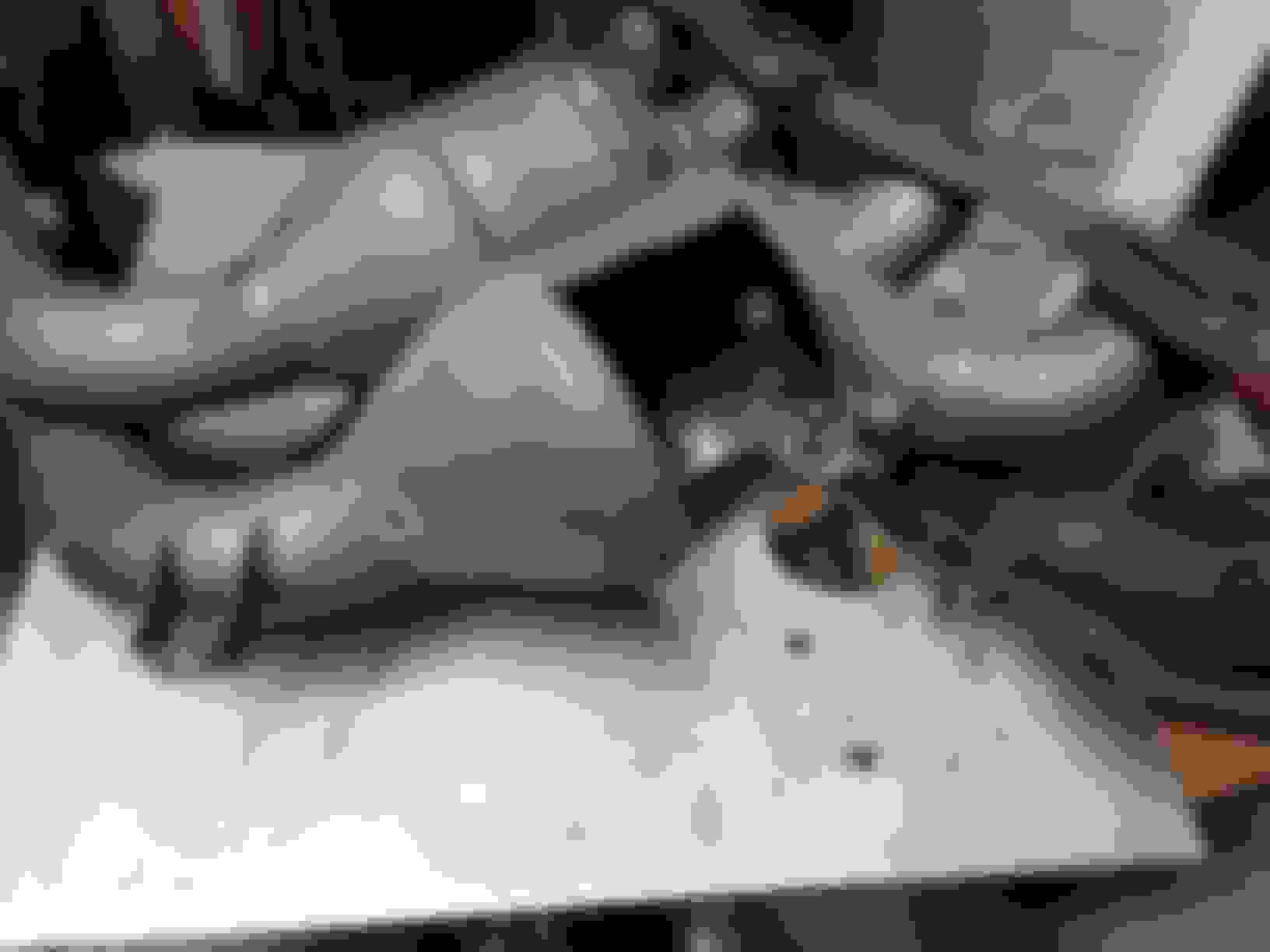
I cut open the primary cats. Here is the one responsible for the engine damage:
The main piece was more intact before I cut into it (sorry for the blurry pic). As I mentioned in the OP, it looked entirely intact from the top except for a small hole. It was so thin, though, that it broke apart in the removal process.
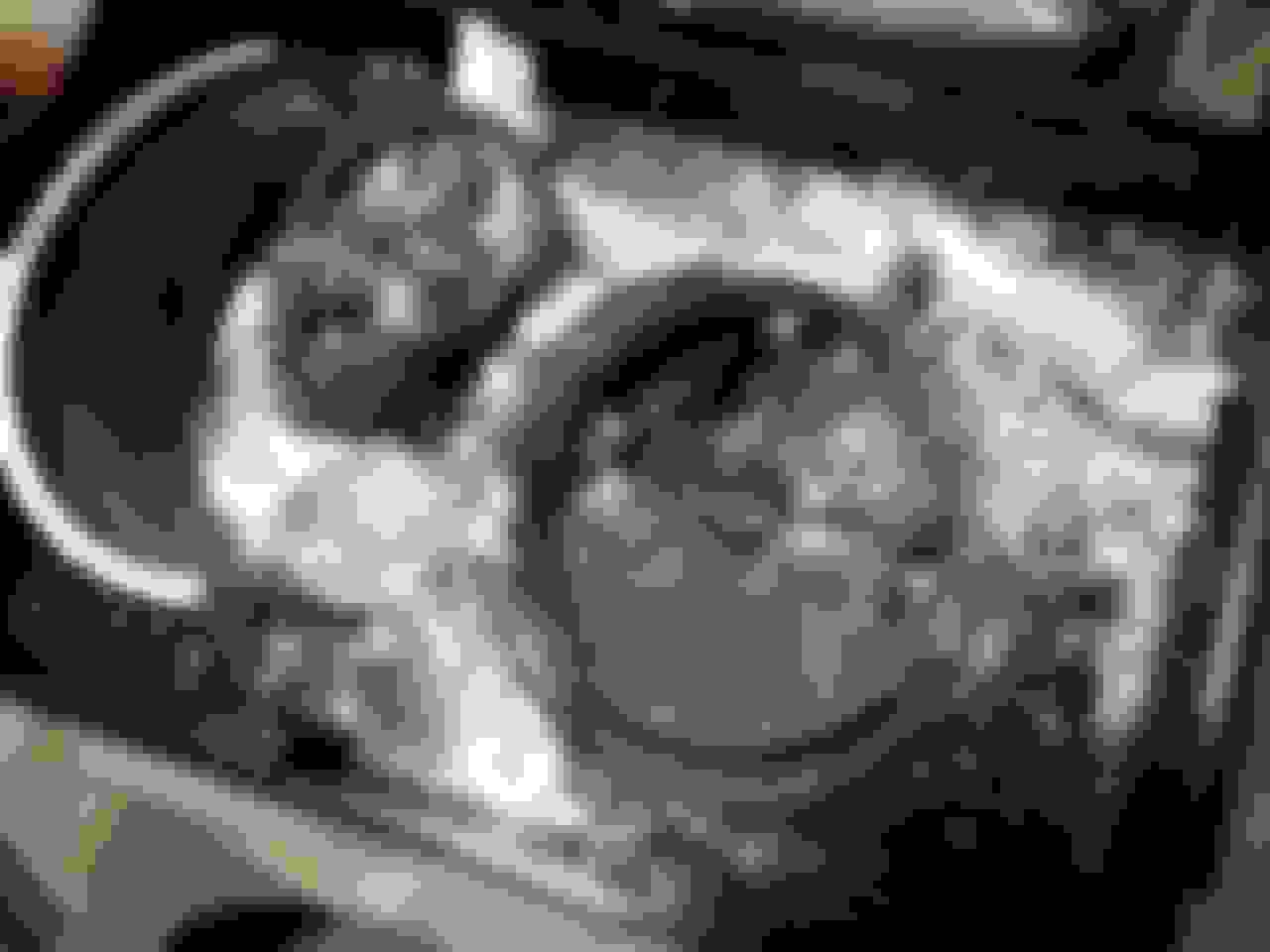
Here is the rear primary:
This one appeared entirely undamaged when scoped from the top through the O2 sensor hole, but you can see it's mostly gone. In both cases the damage seems to have originated from the bottom and eventually worked its way up. The cats acted as filters in the reverse direction until the front one fully penetrated and the debris was sucked upward through the ports. I'm curious to know if this is consistent with other cases. If so, it's a bit disconcerting because inspecting the cats the easy way (through the O2 sensor ports) would only show the top, which very well could show completely undamaged while most of the cat may have already been eaten away. Fortunately, it's pretty easy to pull the rear cats and scope the primary cats from the bottom.
I'm also curious how long this damage has been happening. It seems to be something that wears away the cat over time until it eventually gives in. For anyone concerned about cat ingestion, I would definitely scope the cats from the top, and I would very highly recommend taking an hour to pull the rear cats to scope them from the bottom as well. Well worth the effort, IMO, to ensure your car isn't a ticking time bomb.
Last edited by Bob Duato; Nov 25, 2022 at 04:30 PM.
Quite the project..been great following along..question..if I remove the famous exhaust fuse..I notice that I start getting pops and bangs out back..sound cool..lol…but now I’m wondering if it’s doing damage..thanks eh..
Sorry guys for blocking Dean, but if he wishes to help he must do it without violating the terms of service. He may not register as a non sponsor and use his business name as his username. I will work with him to fix it.
Sorry guys for blocking Dean, but if he wishes to help he must do it without violating the terms of service. He may not register as a non sponsor and use his business name as his username. I will work with him to fix it.
Is there a way to do that without removing the valuable information from his previous posts? I know I'm new here and I don't want to step out of place, but he's just trying to help, we all are, and removing posts that contribute so immensely to the thread content just prevents people in the future from addressing cat ingestion correctly. If this was a small issue I wouldn't be so adamant, but we're talking about a potentially catastrophic issue here for some poor V12 owner and I think it's silly to prevent people from being as informed as possible on such an important topic because of an improper username.
Quite the project..been great following along..question..if I remove the famous exhaust fuse..I notice that I start getting pops and bangs out back..sound cool..lol…but now I’m wondering if it’s doing damage..thanks eh..
As far as I know, removing the fuse doesn't cause unburnt fuel to leave the engine, which is what people do to cause those pops. The fuse removal is supposed to just allow a shorter path for exhaust to exit the muffler and not undergo as much silencing. This is something your car does anyway around 3000RPM, so you shouldn't need to worry about the fact that you've pulled it. All it really does is enhance the sound at idle and low RPM.
Having said that, pops are still caused by unburnt fuel in the exhaust system and cat ingestion is caused by cat failure due to unburnt fuel in the exhaust system. The pops are generally caused by a significantly lesser amount of fuel than you get from misfires, so for most cars it isn't much of an issue, but in the case of the Aston V12's, I would be more cautious.
Is there a way to do that without removing the valuable information from his previous posts? I know I'm new here and I don't want to step out of place, but he's just trying to help, we all are, and removing posts that contribute so immensely to the thread content just prevents people in the future from addressing cat ingestion correctly. If this was a small issue I wouldn't be so adamant, but we're talking about a potentially catastrophic issue here for some poor V12 owner and I think it's silly to prevent people from being as informed as possible on such an important topic because of an improper username.
Bob, there is a way and I’m working on it. If I can give him a non business username I will be able to restore all his posts. Waiting for his response to my pm.
Bob, there is a way and I’m working on it. If I can give him a non business username I will be able to restore all his posts. Waiting for his response to my pm.