With a manual gearbox, lightweight construction, and no hybrid assistance, the limited-run hypercar pushes back against current digital performance trends.
A Second Prototype Appears
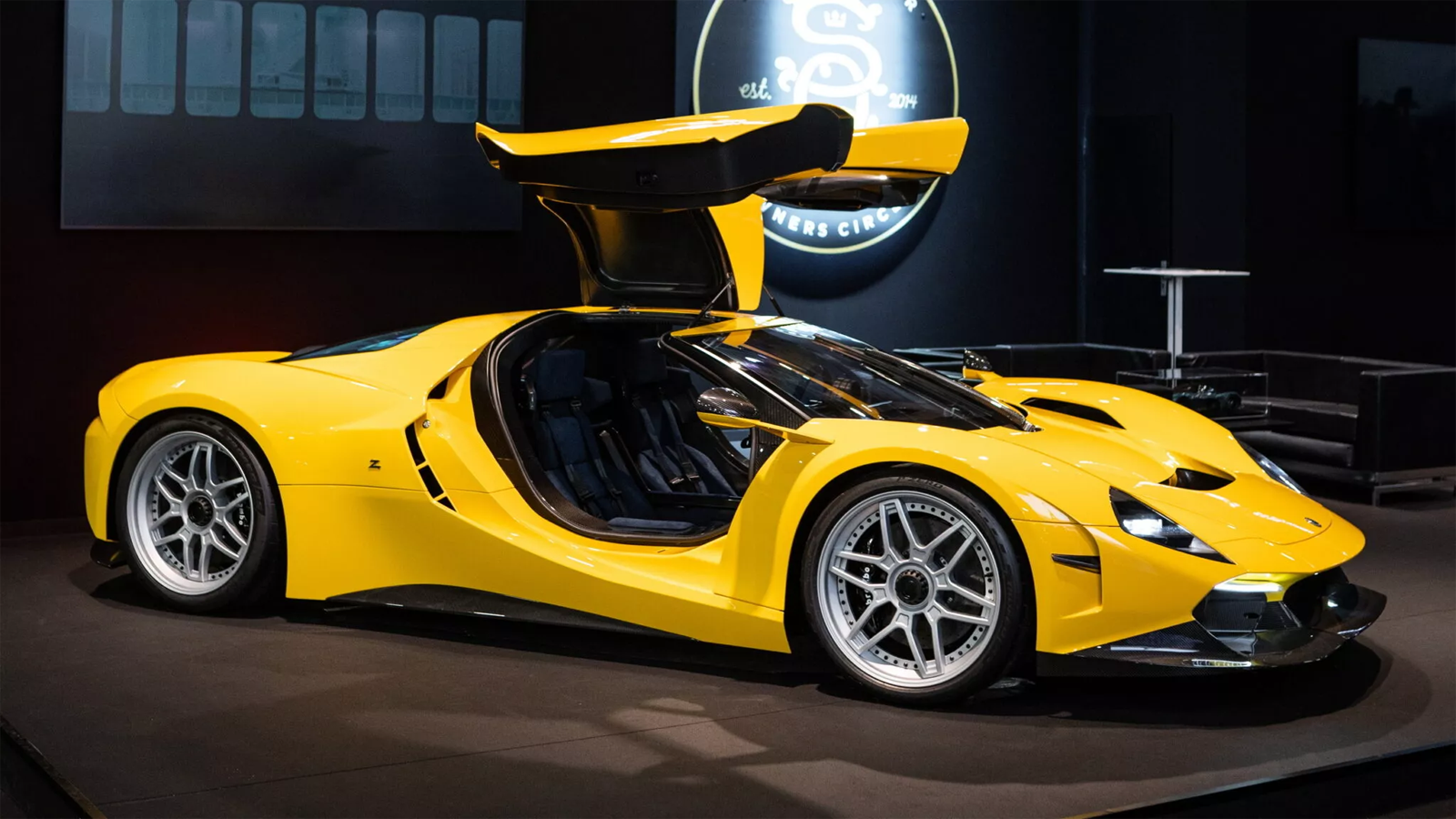
Capricorn has revealed a second fully functional prototype of its 01 Zagato at Salon Rétromobile in Paris, only months after the first car debuted at Belgium’s Zoute Grand Prix. In a market crowded with concepts and computer renders, the appearance of multiple drivable examples suggests the project is moving steadily toward production. A third development car is already being assembled in Germany, indicating an active build-and-test cycle rather than a static showpiece program.
Development Cars, Not Showpieces
Both cars are described by Capricorn as “engineering-led development vehicles,” meaning they are running prototypes rather than finished customer models. These cars are already being used for calibration and durability testing ahead of customer deliveries expected in 2026. Production will be limited to just 19 coupes worldwide, each priced at €2.95 million before taxes, with the company stating only a small number of build slots remain.
Rejecting Modern Hypercar Trends
What makes the 01 Zagato notable is its deliberate refusal to follow current hypercar formulas. Instead of hybrid systems and paddle-shifted transmissions, Capricorn opted for a rear-wheel-drive layout paired with a five-speed dogleg manual gearbox. The company openly pursues what it calls an “analogue” experience, emphasizing mechanical engagement rather than digital assistance.
German Engineering Roots
Although the 01 Zagato is Capricorn’s first production car, the company itself is not new to high-performance engineering. Founded in 1933, the German firm has decades of experience supplying lightweight, high-precision components to motorsport, aerospace, and specialist car manufacturers. Its parts have appeared in programs ranging from Porsche’s LMP1 racers and Peugeot’s endurance efforts to Formula 1 and World Rally Championship projects, making this hypercar more of a technological showcase than a startup gamble.
Italian Styling Influence
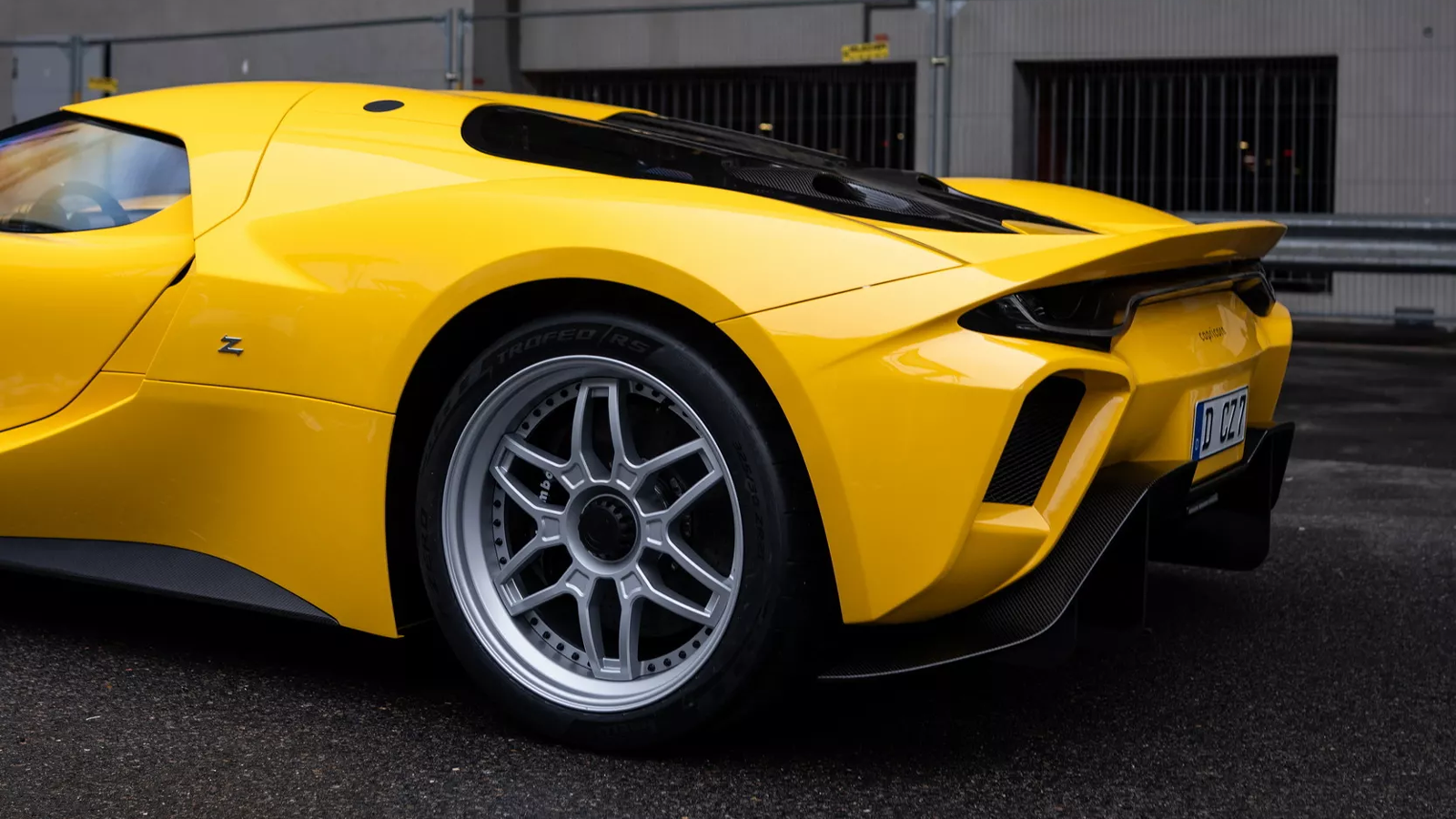
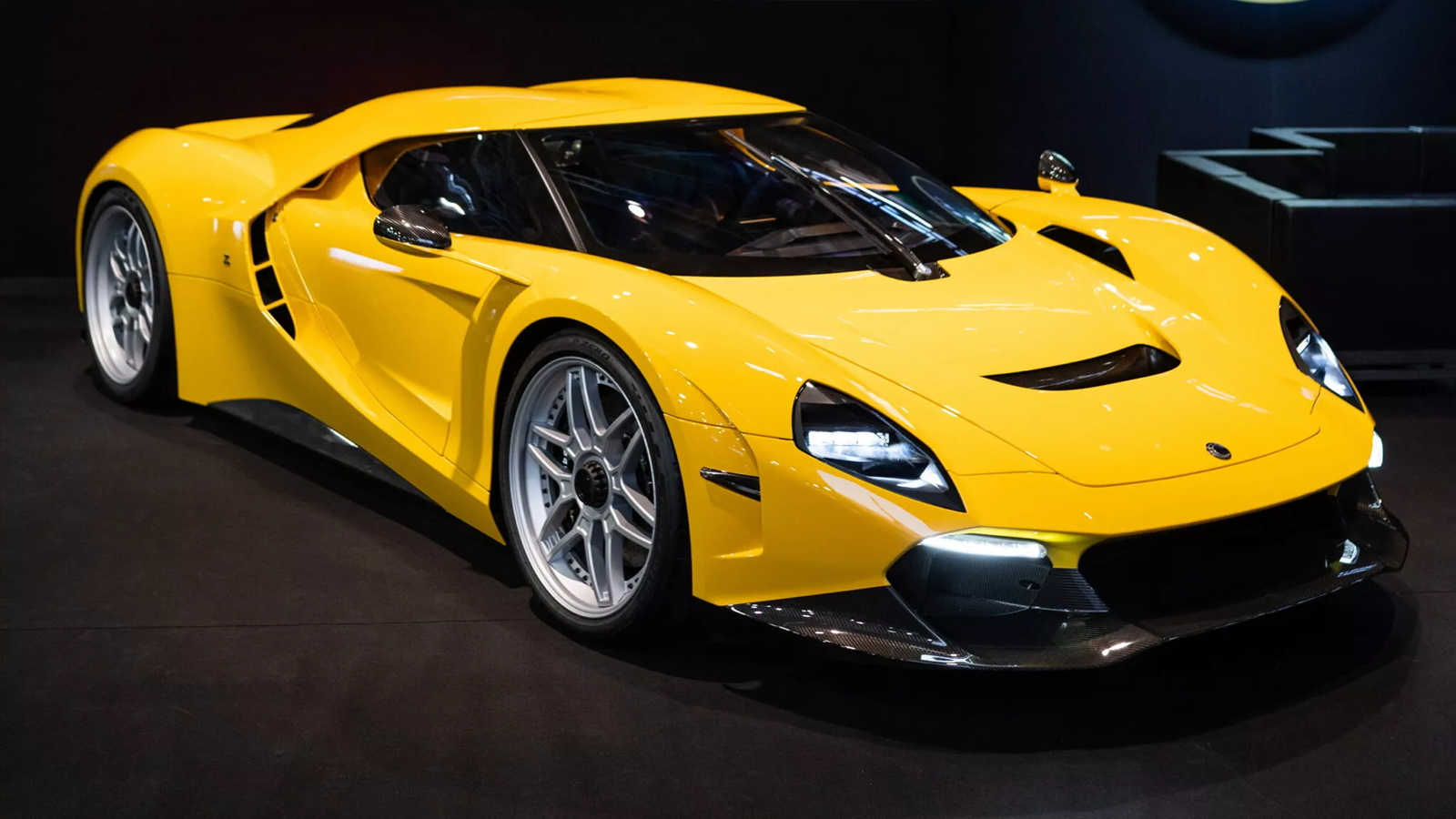
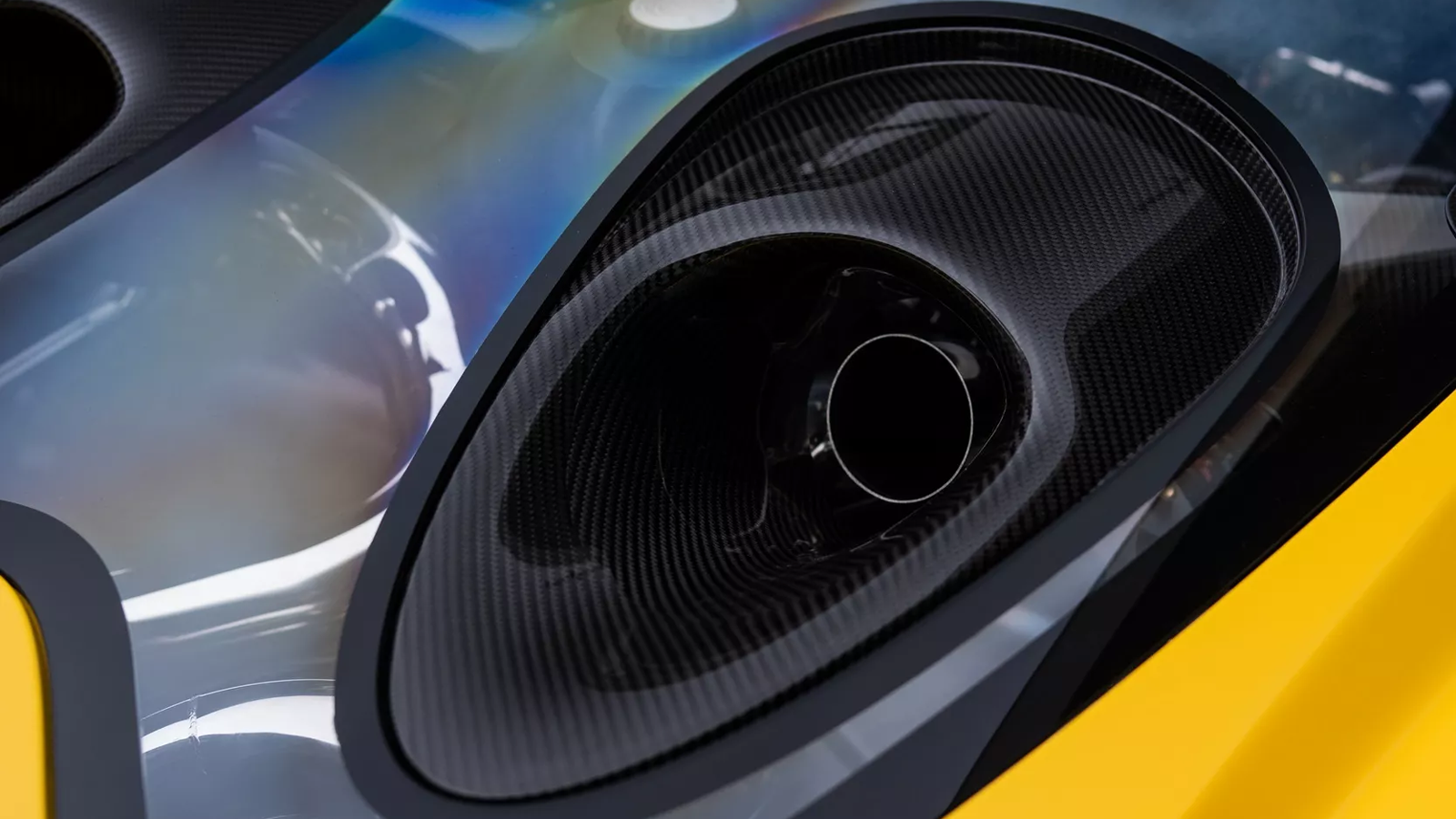
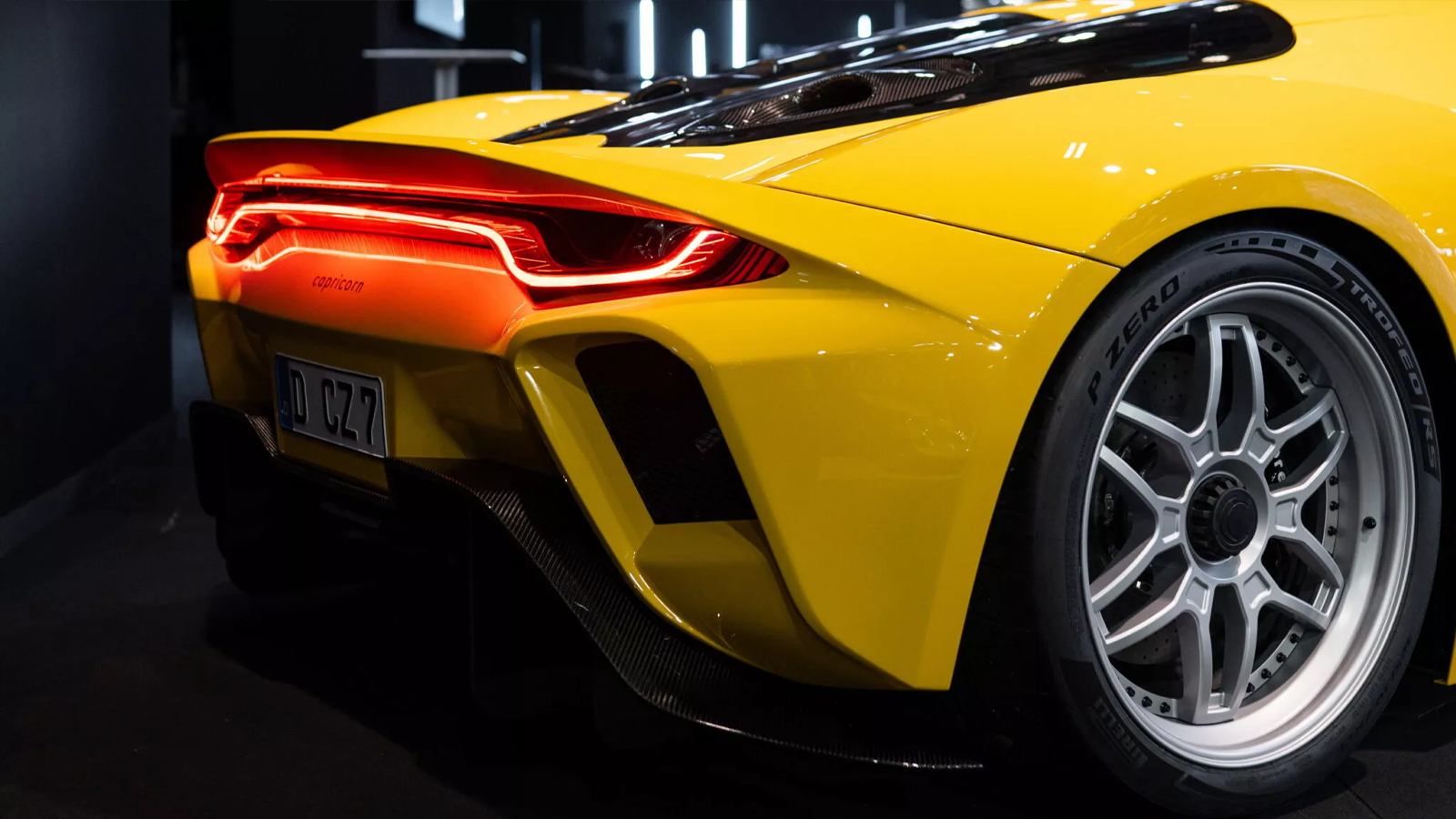
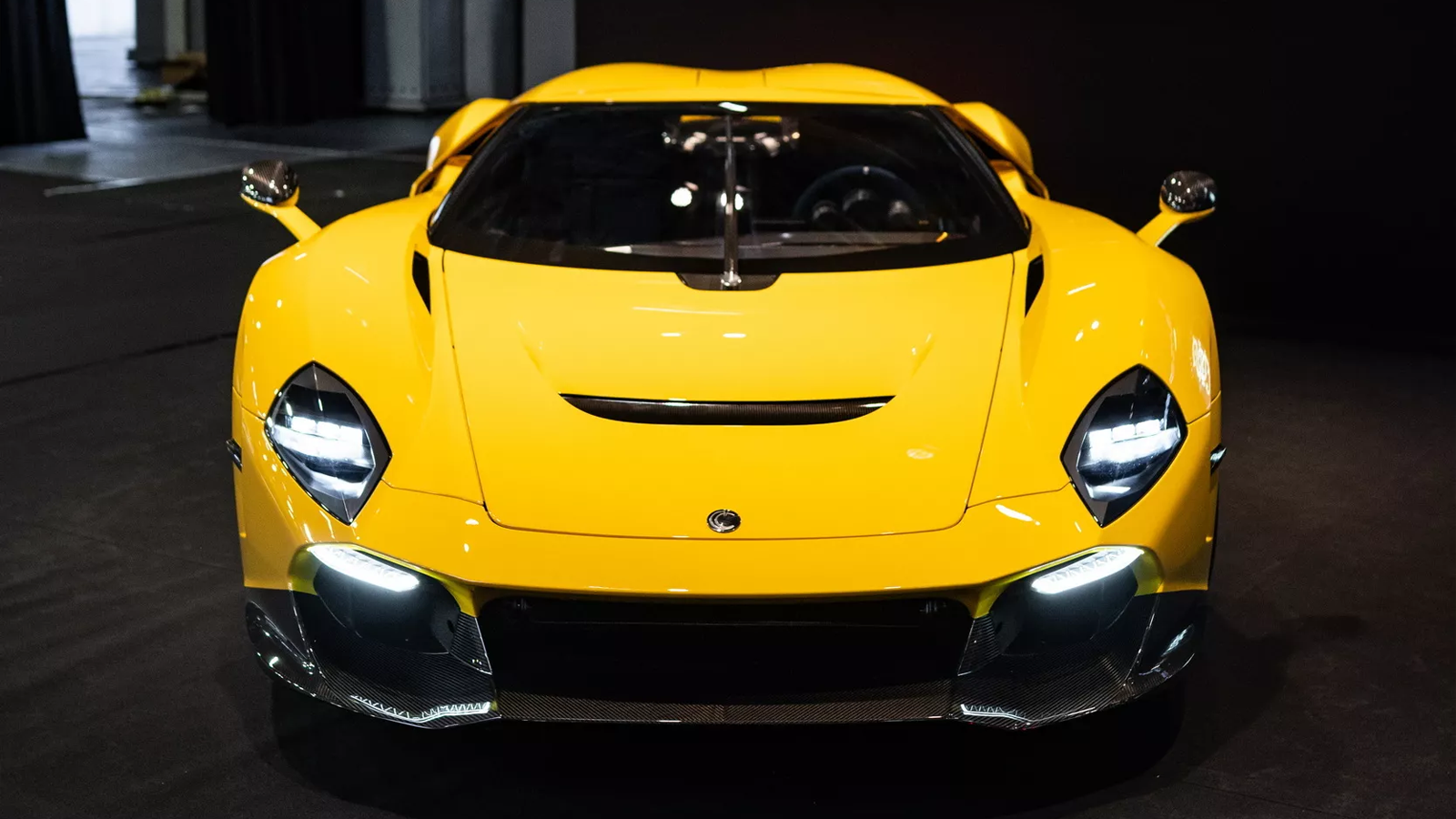
The design comes from Milan-based coachbuilder Zagato, whose collaborations span brands such as Aston Martin, Alfa Romeo, and Ferrari. The 01 incorporates signature Zagato touches like the double-bubble roof, almond-shaped headlights, and flowing proportions. Other design elements include gullwing doors, prominent flying buttresses reminiscent of the Ford GT, a sculpted rear engine cover with dual exhaust outlets, and a full-width rear light bar, blending heritage cues with modern aerodynamic requirements.
Distinct Prototype Personalities
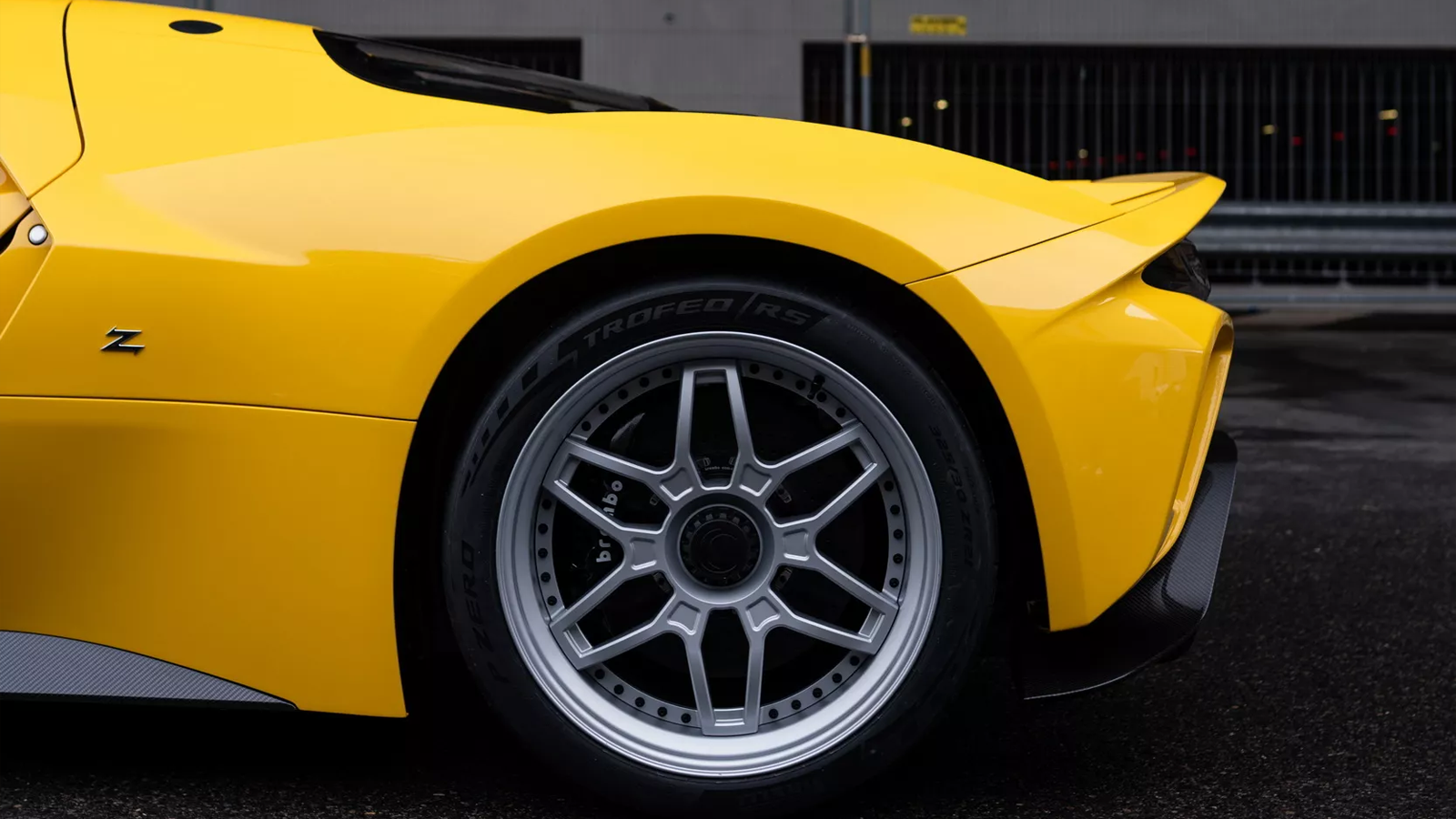
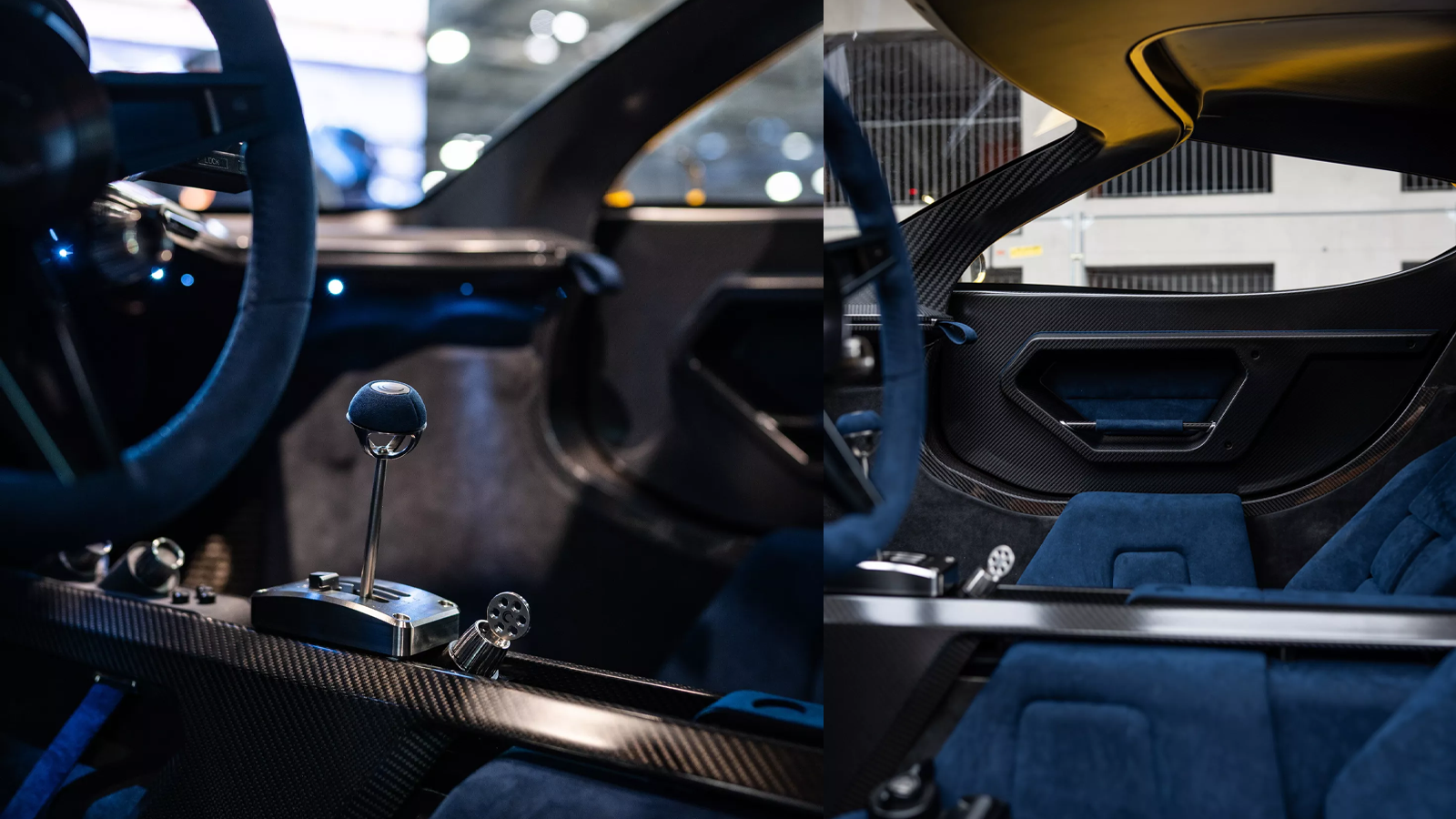
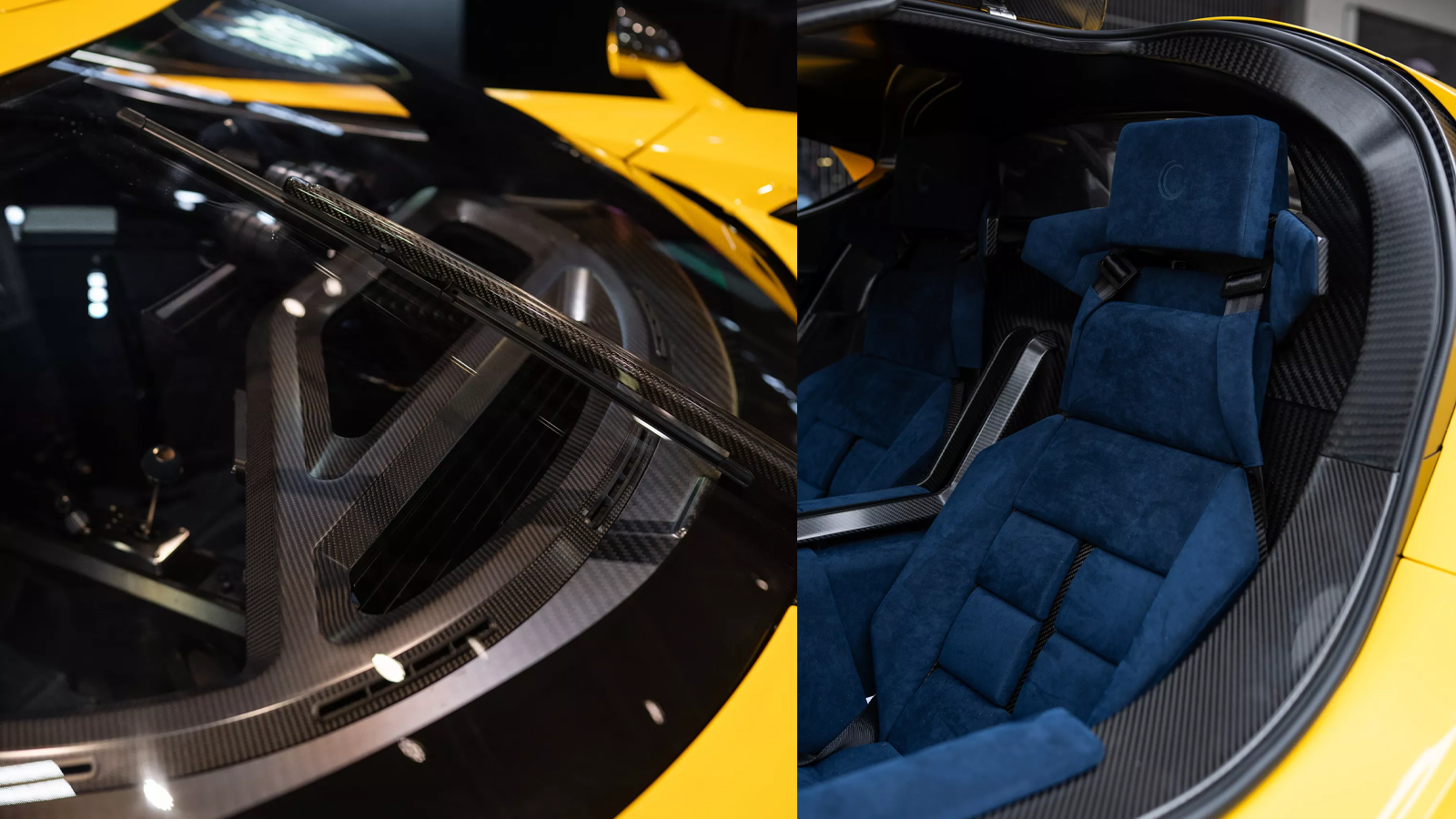
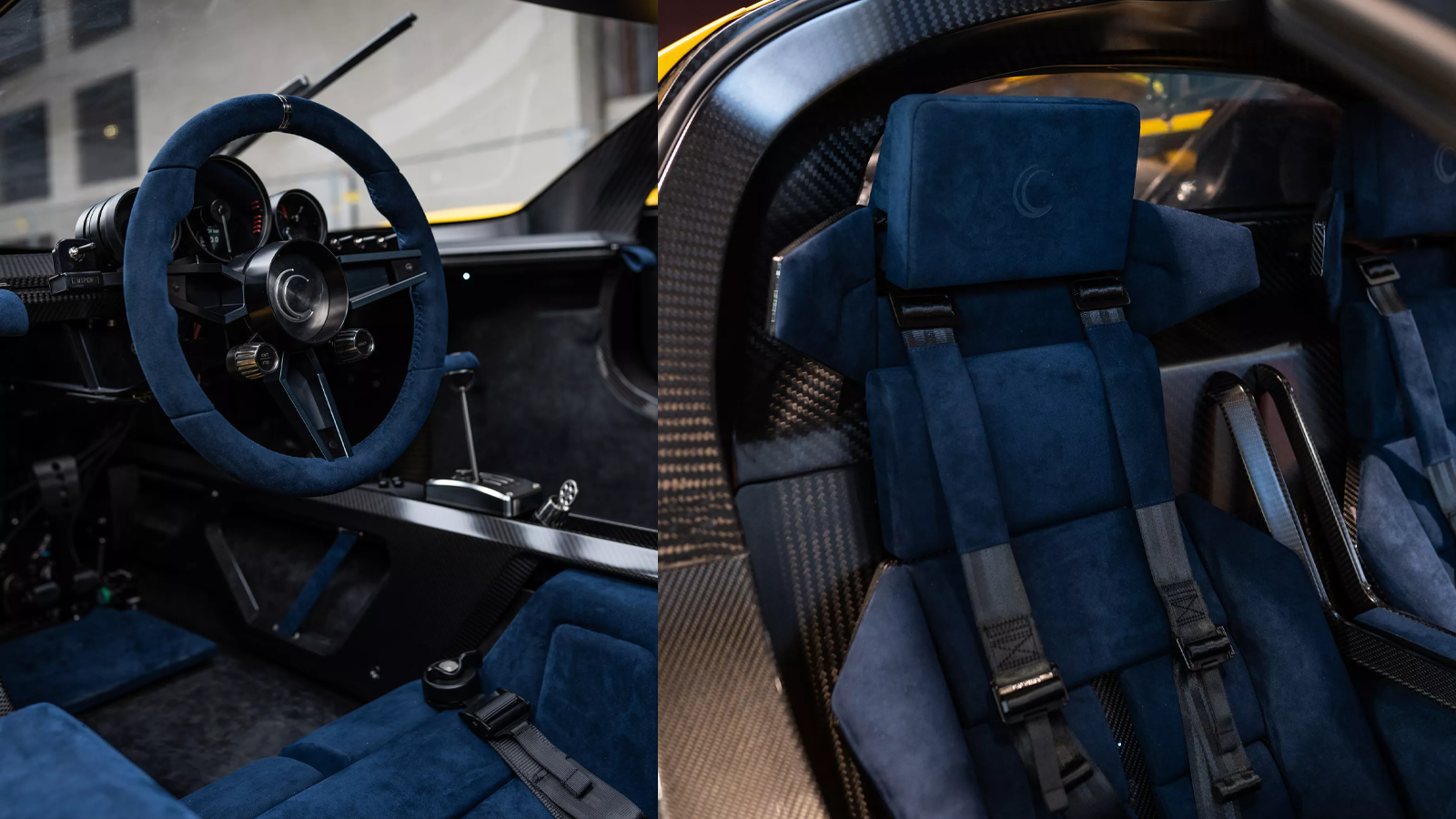
The two prototypes shown so far differ mainly in color and trim. The first appeared in a deep green shade with brown leather inside, while the Paris car debuted in bright Giallo Sole yellow paired with blue suede upholstery. Beyond aesthetics, the second prototype incorporates mechanical improvements learned from testing the original car, highlighting Capricorn’s rapid development loop.
A Purposefully Analog Cabin
Inside, the car continues its anti-digital theme. The cockpit features physical gauges, a gated manual shifter, and a conventional round steering wheel equipped with rotary controls instead of touchscreen menus. Exposed carbon fiber and modern bucket seats keep the interior functional, while avoiding the large-screen layouts now common in high-end performance cars.
American V8 Power at the Core
Power comes from a mid-mounted, supercharged 5.2-liter V8 originally sourced from Ford but extensively modified by Capricorn. Output exceeds 900 PS (around 888 hp) and torque reaches approximately 1,000 Nm (738 lb-ft). Combined with a targeted dry weight below 1,200 kg (2,646 lbs) and rear-wheel drive, the performance claims are serious: 0–100 km/h in under three seconds and a projected top speed of 360 km/h (224 mph).
Aiming at a Rarefied Market
Capricorn has also partnered with the Supercar Owners Circle, signaling the clientele it expects to attract. Sales distribution is being handled exclusively by the Louyet Group. While the brand is entering a space occupied by established hypercar names, the presence of multiple operational prototypes suggests the program is progressing beyond mere ambition.
Reality Matters More Than Hype
Whether the 01 Zagato ever becomes a common sight outside private collections is beside the point. What distinguishes the project is that it exists as running hardware rather than speculative design. Ultimately, however, the car’s success will depend less on its specifications and more on whether it delivers the engaging driving experience Capricorn promises, something only road and track testing will prove.