
Heat wave Vs ice cold comparison
Subscribe


I've been noticing that much of the region has faced a heat wave in contrast to a very cold snowy winter in those same locations.
This topic of heat and humidity often gets discussed on the Turbo forum (humidity does effect the Turbo ) but I've never seen it discussed here .
Share any thoughts or comparisons on how the car performs in both as well as the ideal temp and climate .
This topic of heat and humidity often gets discussed on the Turbo forum (humidity does effect the Turbo ) but I've never seen it discussed here .
Share any thoughts or comparisons on how the car performs in both as well as the ideal temp and climate .

I'm not sure if this is normal in this heat, but after a longer ride my rear tires get very hot (I mean really hot, they almost smell like burned rubber)
Is this normal? This is my first summer with the car.
Is this normal? This is my first summer with the car.
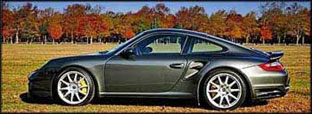
there's definitely a difference. I took a pretty long, spirited drive the other day and it was approx. 103F. this was extreme and in "typical" hot weather the car performs very well.

.I recently did a DE in very hot weather and while the car performed well I really messed up one session in the middle of the day with inadequate tire pressures.
I think in hot weather you need to pay more attention to that aspect of the car. As I think someone has already mentioned.
I think in hot weather you need to pay more attention to that aspect of the car. As I think someone has already mentioned.
Quote:
The odd thing with South Florida is that it never gets extreme hot or cold . The lowest i have ever seen here is brief 26 degree cold snap (for only 30 minutes at 5 AM before sunrise --in 2009 ) and the hottest was near 100 . In the summer it's a steady low 90 degree daytime temp with low 80's at night . What we do have is humdity in the summer . I do notice a huge difference in the Turbo in the summer compared to a low humidity 50 degree winter temp. Originally Posted by E55AMG
there's definitely a difference. I took a pretty long, spirited drive the other day and it was approx. 103F. this was extreme and in "typical" hot weather the car performs very well.
In the 997S I notice it less but i have never driven either of thse cars in under 35 degree temp or over 95 degres .
Quote:
Is this normal? This is my first summer with the car.
The burnt rubber scent might be the cosmoline if smelled by the rear tires on the drivers side . It's on all new cars and smells like burnt rubber.Originally Posted by krysFly
I'm not sure if this is normal in this heat, but after a longer ride my rear tires get very hot (I mean really hot, they almost smell like burned rubber)Is this normal? This is my first summer with the car.

Just out of curiosity dont our rear tires heat up fast due to the mufflers and the motor?
Quote:
You go to the throttle and the rear tires go for the traction and you generate the heat.Originally Posted by carrera997re
Just out of curiosity dont our rear tires heat up fast due to the mufflers and the motor?
Quote:
I dig that but im just sayinQuote:
You go to the throttle and the rear tires go for the traction and you generate the heat.
Originally Posted by carrera997re
Just out of curiosity dont our rear tires heat up fast due to the mufflers and the motor?
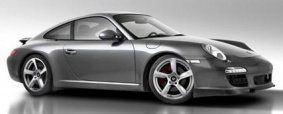
We drove to Pittsburgh from Baltimore for the Vintage Races this past weekend and there was no question that the heat and humidity were having an adverse effect on engine performance; I would like to say that the additional elevation played a role as well, but cannot since the return trip Sunday morning (with cooler temps / lower humidity ) was that "same old, same old" which we all know and love

An interesting way to look at these questions is to notice the similarity in ideal conditions for performance of cars versus people: adequate air intake and ventilation, quality fuel without detrimental ingredients, break-in period similar to athletic training period, virtues of cross-training, warmed up enough without being overheated, smooth operations to avoid damage, diminished performance and appearance after a long life of wear and tear, etc.
And of course these similarities aren't just concidental. Similar physical principles are involved in both, and the process of engine combustion is chemically similar to what we do with food and oxygen.
And of course these similarities aren't just concidental. Similar physical principles are involved in both, and the process of engine combustion is chemically similar to what we do with food and oxygen.

Cold air is denser. Theoretically it should provide better engine power, but I haven't noticed it. What I have noticed in this heat wave (100 degrees here) is that the engine temp jumps to 250ish quickly under spirited driving and the tires get a bit greasy under street conditions for the first time.

I agree with Kona. Colder air is denser, hence performance at cooler temperatures would be marginally enhanced. After all, isn't that the idea behind intercoolers on turbo cars?
Having come from a 135i (twin turbo in-line six), I certainly felt that the car performed best in the NY Spring and Fall than in the Summer.
Having come from a 135i (twin turbo in-line six), I certainly felt that the car performed best in the NY Spring and Fall than in the Summer.

My understanding is the ECU compensates for air/fuel, and temp in milliseconds. You wouldn't really notice anything at those extremes except your own discomfort and the perception that your car must be unhappy about it too.
They do a lot of testing of at both extremes to make sure the 911 performs optimally given those conditions. Look after your fluids (yours and the 911) and all will be fine.
Cheers
Greg
They do a lot of testing of at both extremes to make sure the 911 performs optimally given those conditions. Look after your fluids (yours and the 911) and all will be fine.
Cheers
Greg
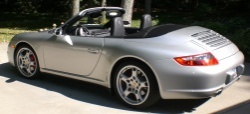
My car prefers cool weather and performs noticeably better whens it's below 75 and low humidity vs above 90 and humid. As cold air is denser than warm air I assume the dense air improves combustion in a NA engine.