
How the 1993 Boxster Concept Saved Porsche From Losing it All
Porsche as we know it today probably wouldn’t exist if it weren’t for that one lone concept car.
Porsche has always been known for being the de-facto gold standard in the world of performance cars. From the 911 coupe to recent SUV entries like the Cayenne and the smaller Macan, the German sports car maker always tries to make sure that no stone is left unturned in the pursuit of pure performance. However, Porsche as we know it today probably would not even exist if it weren’t for one lone concept car that led to the modern day Boxster.
To find out how this chain of events all started, we need to travel back in time to the 1980s. Back then, the economy was flush with cash, and Porsche models (especially the 911) were must have accessories for those that were lucky enough to have the financial clout to afford one. This reached a pinnacle in 1986 when the company sold over 30,471 cars globally. But the good times would not last forever, and the company found itself in big trouble when the 1990s arrived.
The new decade ushered in unrest in the Middle East, and the economic ripples from conflict there (along with a drop in the value of the U.S. dollar) were felt worldwide. Porsche was no exception, and the company’s sales rapidly slid downward in very dramatic fashion. This was painfully obvious in 1993 when Porsche only sold 3,728 cars that year.
This fall from grace could not be sustained, and it was only a matter of time before Porsche would crumble into extinction. A crucial problem for the firm was that they didn’t sell an offering to compete in the lower priced tiers of the performance car market (always relying on the 911 to shoulder the load.) That left the door wide open for Japanese rivals such as the Toyota Supra and the Mazda Miata.
Porsche knew that it had to act quickly, and while it brought in some former employees from these companies to help improve its manufacturing processes, the company also prepared to perhaps make its final gamble with a concept that would make its global debut at the 1993 North American International Auto Show.
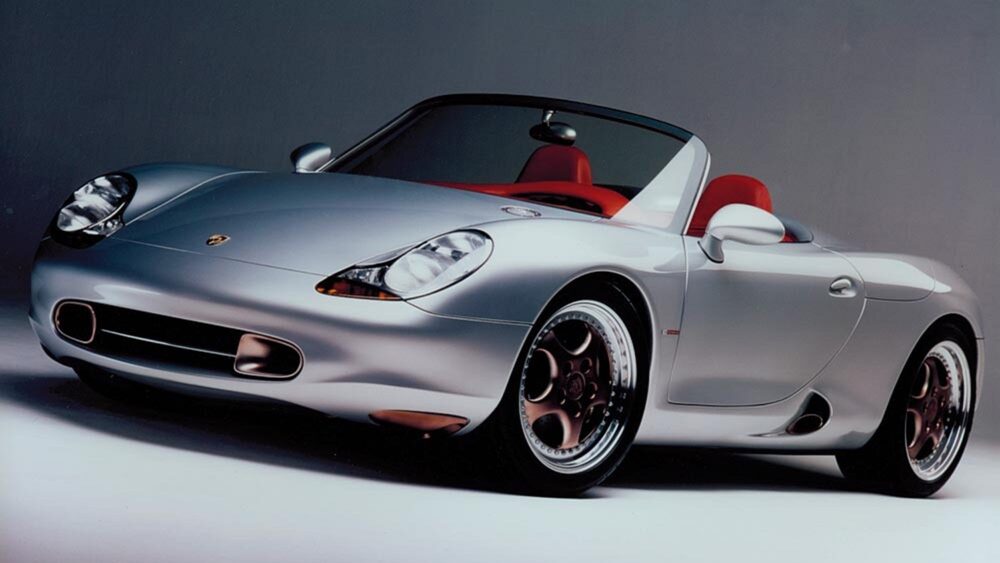
Dubbed the Boxster, the car ditched the increasingly complicated number hierarchy that defined Porsche models of the period, and instead used a name that was a portmanteau of the Boxer engine that powered it, and the roadster shape that the droptop proudly flaunted.
The styling was clean, crisp, and it was the first serious indication that Porsche was fully tuned into the trend of wind cheating aerodynamics.
The concept immediately left a strong impression among show visitors, and some of them even wrote blank checks for the car. Keep in mind, the Boxster was a pure concept at this point, and the company did not reveal whether it was going to formally produce it or not.
However, similar occurrences at other auto shows finally persuaded the company to green light it for production, with the first models debuting in 1997.
The Boxster experiment also proved that Porsche models didn’t have to have numbers in their names to resonate with customers.
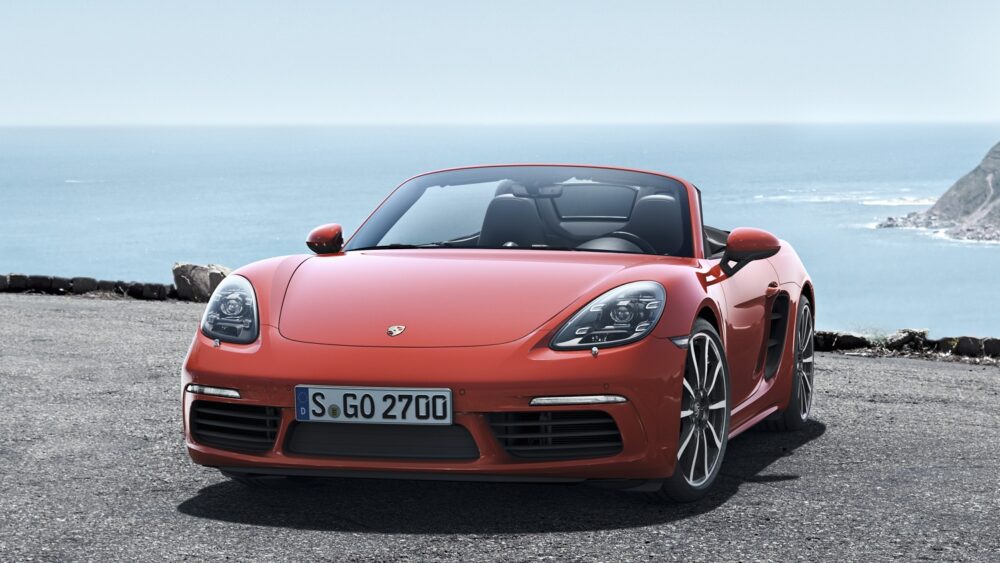
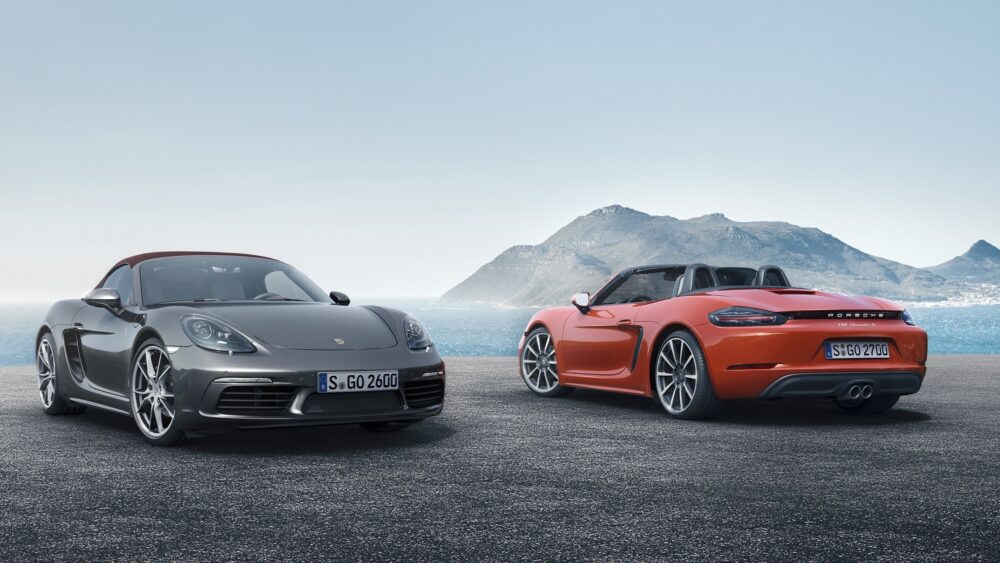
As a result, Porsche has since used traditional names for nearly all of their models including the hot selling Cayenne SUV, as well as the Cayman coupe.
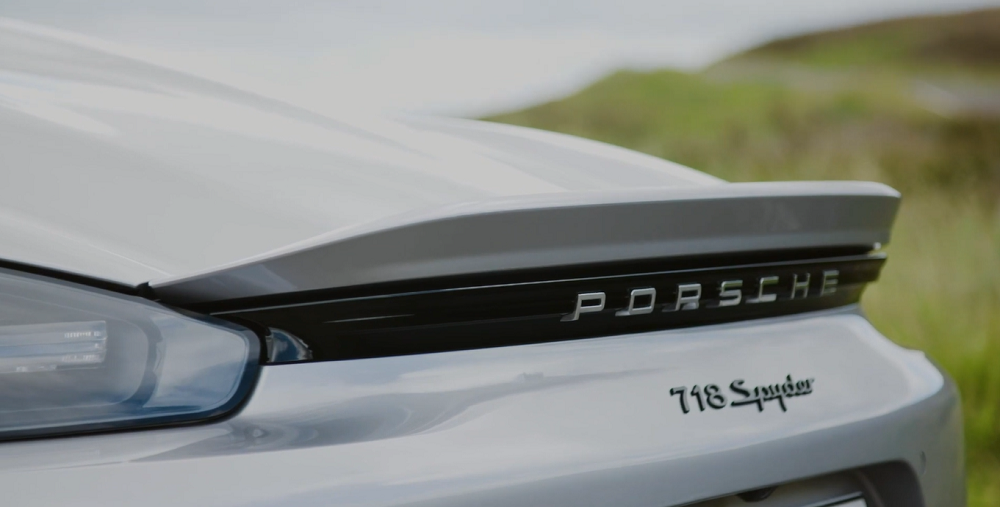
Granted, Porsche recently put the number 718 before the names of both of these vehicles, but it did little to stifle the high levels of brand recognition that the Boxster moniker possesses.
In an era where Porsche needed the equivalent of a game winning Hail Mary pass to save itself from oblivion, the Boxster concept helped spark a newfound zest for life, and served as a compelling glimpse into a bright and shining future.
Photos: Porsche
You must be logged in to post a comment.