


GT3 Cup S as the "answer" in ALMS/Lemans?


Thread Starter
|
Registered User
Joined: Jul 2006
Posts: 8,930
From: ga
Rep Power: 552


GT3 Cup S as the "answer" in ALMS/Lemans?
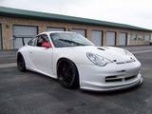
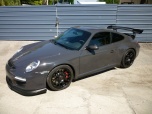
I was just thinking (sorry to add another Cup S thread). But with Porsche dealing with the dilemma of running the wide body RSR and keeping more power but with more weight or the narrow body and losing more weight and losing power could the Cup S be the answer since it's not as wide as the RSR but wider than the Cup? Seems like it could be a happy medium for the Cup racers and since it's already homologated wouldnt take long to get running strong as most of the developement is already done from the narrow/wide body variants.
Of course we wouldnt see this car in ALMS until next year if Porsche decides to go narrower so they can shave more weight, but I think the width of this car without the extra weight of the RSR could make it better than the RSR which is like 2900 lbs if I recall correctly. The lighter weight will also help the tire wear issues that have plagued the RSR's so much. Maybe they'll have to run a tad bigger restrictor, but there wont be a huge variation in weight.
Of course we wouldnt see this car in ALMS until next year if Porsche decides to go narrower so they can shave more weight, but I think the width of this car without the extra weight of the RSR could make it better than the RSR which is like 2900 lbs if I recall correctly. The lighter weight will also help the tire wear issues that have plagued the RSR's so much. Maybe they'll have to run a tad bigger restrictor, but there wont be a huge variation in weight.
Registered User
Joined: Jul 2004
Posts: 732
From: ARIZONA
Rep Power: 52
Heavy,
Narrow or wide, the FIA regs determine the weight of the car by size of the engine with restrictors. So the weight to width is not critical. With a "rs" width car the wheel sizing from a "RSR would not fit. Currently the RSR has a couple of issues when comparing the 3.6 flat six to the Ferrari and the new BMW v8'. One is hp, it will be difficult for porsche to produce a 500hp/ NA flat six and two is cubic size. A 4.0 liter would be needed to safely handle that much hp over the 3.6/3.8. Plus a 4.0 ltr, would add more weight than the current RSR's. The inherent design of 911's, adding more weight to the rear is not an asset. Porsche has a dilema on their hands, their 45 year old Rear engine technology may be coming to an end with other brands building better balanced race cars.
I believe the 997 RSR MKII will have a enhanced aero package and other minor tweeks. But not until Porsche creates a factory car, maintained by the factory will we see the resumption of track dominance. Building and selling a generic chassis to privateers with the hope that one of them can improve the package, is not the way to win championships.
Be prepared, the RSR will have a very difficult season this year!
-z
Narrow or wide, the FIA regs determine the weight of the car by size of the engine with restrictors. So the weight to width is not critical. With a "rs" width car the wheel sizing from a "RSR would not fit. Currently the RSR has a couple of issues when comparing the 3.6 flat six to the Ferrari and the new BMW v8'. One is hp, it will be difficult for porsche to produce a 500hp/ NA flat six and two is cubic size. A 4.0 liter would be needed to safely handle that much hp over the 3.6/3.8. Plus a 4.0 ltr, would add more weight than the current RSR's. The inherent design of 911's, adding more weight to the rear is not an asset. Porsche has a dilema on their hands, their 45 year old Rear engine technology may be coming to an end with other brands building better balanced race cars.
I believe the 997 RSR MKII will have a enhanced aero package and other minor tweeks. But not until Porsche creates a factory car, maintained by the factory will we see the resumption of track dominance. Building and selling a generic chassis to privateers with the hope that one of them can improve the package, is not the way to win championships.
Be prepared, the RSR will have a very difficult season this year!
-z
I was just thinking (sorry to add another Cup S thread). But with Porsche dealing with the dilemma of running the wide body RSR and keeping more power but with more weight or the narrow body and losing more weight and losing power could the Cup S be the answer since it's not as wide as the RSR but wider than the Cup? Seems like it could be a happy medium for the Cup racers and since it's already homologated wouldnt take long to get running strong as most of the developement is already done from the narrow/wide body variants.
Of course we wouldnt see this car in ALMS until next year if Porsche decides to go narrower so they can shave more weight, but I think the width of this car without the extra weight of the RSR could make it better than the RSR which is like 2900 lbs if I recall correctly. The lighter weight will also help the tire wear issues that have plagued the RSR's so much. Maybe they'll have to run a tad bigger restrictor, but there wont be a huge variation in weight.
Of course we wouldnt see this car in ALMS until next year if Porsche decides to go narrower so they can shave more weight, but I think the width of this car without the extra weight of the RSR could make it better than the RSR which is like 2900 lbs if I recall correctly. The lighter weight will also help the tire wear issues that have plagued the RSR's so much. Maybe they'll have to run a tad bigger restrictor, but there wont be a huge variation in weight.
Last edited by zona; Feb 7, 2008 at 12:16 PM.
Registered User
Joined: Nov 2007
Posts: 116
From: Mozambique
Rep Power: 23
Heavy,
Narrow or wide, the FIA regs determine the weight of the car by size of the engine with restrictors. So the weight to width is not critical. With a "rs" width car the wheel sizing from a "RSR would not fit. Currently the RSR has a couple of issues when comparing the 3.6 flat six to the Ferrari and the new BMW v8'. One is hp, it will be difficult for porsche to produce a 500hp/ NA flat six and two is cubic size. A 4.0 liter would be needed to safely handle that much hp over the 3.6/3.8. Plus a 4.0 ltr, would add more weight than the current RSR's. The inherent design of 911's, adding more weight to the rear is not an asset. Porsche has a dilema on their hands, their 45 year old Rear engine technology may be coming to an end with other brands building better balanced race cars.
I believe the 997 RSR MKII will have a enhanced aero package and other minor tweeks. But not until Porsche creates a factory car, maintained by the factory will we see the resumption of track dominance. Building and selling a generic chassis to privateers with the hope that one of them can improve the package, is not the way to win championships.
Be prepared, the RSR will have a very difficult season this year!
-z
Narrow or wide, the FIA regs determine the weight of the car by size of the engine with restrictors. So the weight to width is not critical. With a "rs" width car the wheel sizing from a "RSR would not fit. Currently the RSR has a couple of issues when comparing the 3.6 flat six to the Ferrari and the new BMW v8'. One is hp, it will be difficult for porsche to produce a 500hp/ NA flat six and two is cubic size. A 4.0 liter would be needed to safely handle that much hp over the 3.6/3.8. Plus a 4.0 ltr, would add more weight than the current RSR's. The inherent design of 911's, adding more weight to the rear is not an asset. Porsche has a dilema on their hands, their 45 year old Rear engine technology may be coming to an end with other brands building better balanced race cars.
I believe the 997 RSR MKII will have a enhanced aero package and other minor tweeks. But not until Porsche creates a factory car, maintained by the factory will we see the resumption of track dominance. Building and selling a generic chassis to privateers with the hope that one of them can improve the package, is not the way to win championships.
Be prepared, the RSR will have a very difficult season this year!
-z
You are absolutely correct!
Furthermore, in order to produce a 8 cylinder engine (that produces enough power to be competitive) and a mid-engined car, they must (by the regulations) produce it as a road going car (homologation).
No entries by manufacturers (factory teams) are supposed to be competing in GT2.
Trending Topics
Thread Starter
|
Registered User
Joined: Jul 2006
Posts: 8,930
From: ga
Rep Power: 552
They should just make 10 mid engine 911's like BMW did with V8's to win the series  .
.
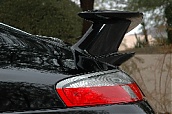
Seriously, why cant they move the motor forward in the GT3 and GT2 and make them mid engine, they dont need the back space.
.Seriously, why cant they move the motor forward in the GT3 and GT2 and make them mid engine, they dont need the back space.
Registered User
Joined: May 2006
Posts: 71
From: Scottsdale, AZ
Rep Power: 22
Does anyone know why they don't race GT2's? I'm wondering what the trade-off would be for running forced induction engines. Also, I wonder how much horsepower direct-injection would add to the current engine.
Registered User
Joined: Nov 2007
Posts: 116
From: Mozambique
Rep Power: 23
As you can see, Porsche is running out of options.
They don't have a mid engined V8 road car that they can homologate to run in the GT classes.
The "Turbo" option is non existent (the ACO has made sure of that)
On the other front:
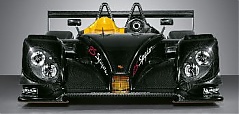
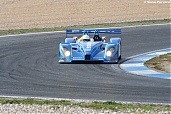
They developed a LMP2 prototype that many viewed as a stepping stone to LMP1, but the pro-diesel rules (instituted by the ACO) have demolished that premise.
The ACO has castrated the LMP2 class (due to Porsche success) in order to ensure they don't take overall wins.
It seems to me that Porsche need to re-evaluate their racing program.
They don't have a mid engined V8 road car that they can homologate to run in the GT classes.
The "Turbo" option is non existent (the ACO has made sure of that)
On the other front:
They developed a LMP2 prototype that many viewed as a stepping stone to LMP1, but the pro-diesel rules (instituted by the ACO) have demolished that premise.
The ACO has castrated the LMP2 class (due to Porsche success) in order to ensure they don't take overall wins.
It seems to me that Porsche need to re-evaluate their racing program.

Thread
Thread Starter
Forum
Replies
Last Post