AOS Catch Can


Basic Sponsor


Joined: Sep 2011
Posts: 2,981
From: British Columbia
Rep Power: 208


telum1, you could always do a automatic drain on the bottom of the can, link it to the small bottom hose of the air/oil separator and the can will drain back to the sump on it's own. Could always put a valve on the can bottom to either allow the can to drain automatically or close the valve to keep the fluid in the can..just a thought to prevent the can from overfilling when you don't need to monitor it
__________________
__________________
Technical Director
Christopher Edgett
Velocity Automotive Performance Limited
214 Maple Ave.
Oliver, B.C
Canada V0H 1T9
Office: (1)250-485-5126
Email: Tuning@VelocityAP.com
www.velocityap.com
__________________
Technical Director
Christopher Edgett
Velocity Automotive Performance Limited
214 Maple Ave.
Oliver, B.C
Canada V0H 1T9
Office: (1)250-485-5126
Email: Tuning@VelocityAP.com
www.velocityap.com

Registered User
Joined: Mar 2010
Posts: 348
From: West Palm Beach FL
Rep Power: 32
I like the thought process of draining the catch can oil... BUT when I installed one on my SRT8 Jeep the directions said in big letters... DO NOT DUMP CATCH CAN OIL BACK INTO ENGINE. Or something similarly emphatic. I don't have the answer why, but at least once did read the directions on something. I think 'by design' you wouldn't need a catch can if you could just route the hose back to the sump. Perhaps someone else has the chemical reason on the oil not being fit for use?

Thread Starter
|
Registered User

Joined: Apr 2009
Posts: 4,366
From: NoVa
Rep Power: 295
telum1, you could always do a automatic drain on the bottom of the can, link it to the small bottom hose of the air/oil separator and the can will drain back to the sump on it's own. Could always put a valve on the can bottom to either allow the can to drain automatically or close the valve to keep the fluid in the can..just a thought to prevent the can from overfilling when you don't need to monitor it
I jimmy-rigged a catch can for my 4Runner and seeing the oil it collected showed me this, which is why I like seeing the oil straight from the can:
Thread Starter
|
Registered User
Joined: Apr 2009
Posts: 4,366
From: NoVa
Rep Power: 295
I like the thought process of draining the catch can oil... BUT when I installed one on my SRT8 Jeep the directions said in big letters... DO NOT DUMP CATCH CAN OIL BACK INTO ENGINE. Or something similarly emphatic. I don't have the answer why, but at least once did read the directions on something. I think 'by design' you wouldn't need a catch can if you could just route the hose back to the sump. Perhaps someone else has the chemical reason on the oil not being fit for use?
With the V8V setup I made, I don't think it would matter too much. The oil this is collecting should have been dumped back into the sump, but still got through the AOS and PCV. So all you'd be doing is collecting it and doing what was intended from the beginning.
As for not needing the catch can and just routing the hose back to the sump: The catch can is internally baffled to separate air and oil, without it there'd be no way to separate air from oil. You essentially have this happening:
Input hose contains air and oil, this goes into the catch can.
The catch can baffling separates the air and oil.
Oil stays in the catch can, air goes out of an output hose and into the intake manifold.
A return hose would allow the oil that the catch can collects to be reinserted to the oil supply.
A Y-fitting would connect a drain hose from the catch can with the drain hose from the original (and still-equipped) air oil separator.
In the case of my 4Runner (and apparently your SRT8), there is a hose that connects from the engine to the intake manifold. If I remember correctly, which I may be mistaken here since it's been a while since I've looked at it, the hose originates at the valve cover. That introduces the possibility of other contaminants like water and coolant. In the case of my 4Runner, there is a possibility that the machining of the engine and heads was flawed from the factory, and as a result at about 150k miles the head gaskets may suffer and fail, allowing coolant to get into the area where the hose originates. Another issue that I've heard about (dunno how factual it is, but it came from a reliable source) is that during drastic temperature swings like we've had this winter, moister can build up in that same area and create the foam that you're seeing in the pics above. The foam is light and sits atop the oil in that area, so it doesn't get recirculated, but it does get sucked through the hose and pulled into the intake manifold - that's where the catch can is collecting it.
I'm typing this while working on a dozen other things so I may have misspoke. But I think that's the gist of why the SRT8 says not to do it - it's due to the where the hose that feeds the catch can originates.
Btw, all the oil collected in my V8V's catch can is dark and fluid, like used oil should look. It does not look like the foam being collected in the catch can on my 4Runner.
Last edited by telum01; Apr 22, 2014 at 12:29 PM.

Registered User
Joined: May 2014
Posts: 4
From: United Kingdom
Rep Power: 0
telum01
Can I ask about this from post 82 please
" Guess I'll update this since it's been a while. I've put a bunch of miles on the car since first starting this project and it's done a great job of collecting oil. It's a bit disturbing how much it collects - lots of oil getting through the PCV and into the intake manifold. "
Is that, lots of oil would have got through without the catch can, and little or none gets through now the catch can is installed?
Can I ask about this from post 82 please
" Guess I'll update this since it's been a while. I've put a bunch of miles on the car since first starting this project and it's done a great job of collecting oil. It's a bit disturbing how much it collects - lots of oil getting through the PCV and into the intake manifold. "
Is that, lots of oil would have got through without the catch can, and little or none gets through now the catch can is installed?
Thread Starter
|
Registered User
Joined: Apr 2009
Posts: 4,366
From: NoVa
Rep Power: 295
Sorry for not being clear on that.
I am surprised at how much blow-by there is. With the Catch Can installed, a LOT of oil is getting collected, which prevents it from being introduced to the intake manifold.
I am surprised at how much blow-by there is. With the Catch Can installed, a LOT of oil is getting collected, which prevents it from being introduced to the intake manifold.
Thread Starter
|
Registered User
Joined: Apr 2009
Posts: 4,366
From: NoVa
Rep Power: 295
A little more info:
I've done two track days with the catch can - one at NCCAR and one at Summit Point. No leaks or anything, even in those conditions. The bracket, catch can, fittings, and hoses are all holding up beautifully.
An AM tech was looking at my engine bay and didn't even notice the catch can. It blends into the OEM stuff extremely well
I've done two track days with the catch can - one at NCCAR and one at Summit Point. No leaks or anything, even in those conditions. The bracket, catch can, fittings, and hoses are all holding up beautifully.
An AM tech was looking at my engine bay and didn't even notice the catch can. It blends into the OEM stuff extremely well
Thread Starter
|
Registered User
Joined: Apr 2009
Posts: 4,366
From: NoVa
Rep Power: 295
I've been extremely happy with the way the kit turned out - even more so with the 45-degree Earl's fitting. I have no idea how fitment will be with the Ultimate, but it'll be interesting to see how you put that together!
Registered User
Joined: May 2014
Posts: 4
From: United Kingdom
Rep Power: 0
Will post the results.
It is going in with a pre-oil system and an oil bypass filter system
http://www.accusump.com/accusump_units.html
http://www.kleenoilusa.com/index.php...filter-systems
It is going in with a pre-oil system and an oil bypass filter system
http://www.accusump.com/accusump_units.html
http://www.kleenoilusa.com/index.php...filter-systems
Thread Starter
|
Registered User
Joined: Apr 2009
Posts: 4,366
From: NoVa
Rep Power: 295
Will post the results.
It is going in with a pre-oil system and an oil bypass filter system
http://www.accusump.com/accusump_units.html
http://www.kleenoilusa.com/index.php...filter-systems
It is going in with a pre-oil system and an oil bypass filter system
http://www.accusump.com/accusump_units.html
http://www.kleenoilusa.com/index.php...filter-systems
Registered User
Joined: May 2014
Posts: 4
From: United Kingdom
Rep Power: 0
It should fit but if I have to choose then it would be the Kleenoil Filter first as common opinion is that impurities in the oil which are between 5 and 25 microns do the most damage.
Then I would go for the catch can followed by the pre-oil
It is not going in to an Aston so I have the option to put the battery in the boot to gain a 400mm by 300mm by 250mm space, and maybe use the battery tray as the basis for fitting them
Then I would go for the catch can followed by the pre-oil
It is not going in to an Aston so I have the option to put the battery in the boot to gain a 400mm by 300mm by 250mm space, and maybe use the battery tray as the basis for fitting them
Thread Starter
|
Registered User
Joined: Apr 2009
Posts: 4,366
From: NoVa
Rep Power: 295
I realized that I never uploaded pics with the upgraded 45-degree fitting, so here are a couple
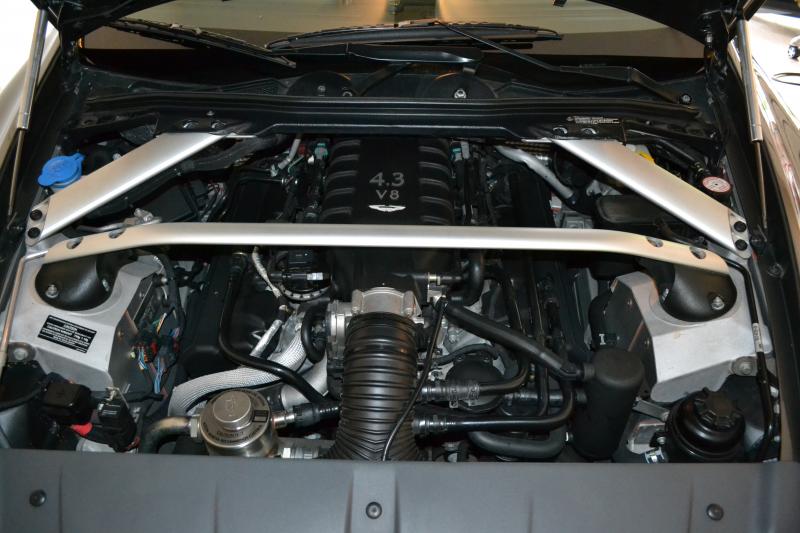
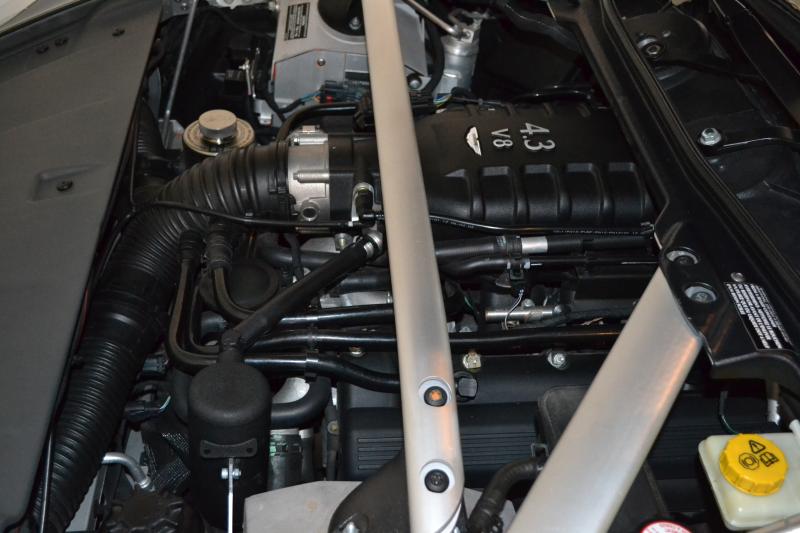
I have one kit waiting to be shipped out and two more available if anyone else wants one!
I have one kit waiting to be shipped out and two more available if anyone else wants one!