
991 Turbo S PCCB Wear Rate
Subscribe


I'm posting this message to help inform forum members. I am not recommending PCCB or steel brakes in this post. I am merely sharing my experience with the PCCB option that is standard on the Turbo S.
FWIW I had my first brake job done on my 991.1 TTS at 23,980 miles. I requested the pads be replaced at all corners. They were -5 mm front and 5 mm rear. This is about 50% remaining life. I also had the PCCB rotors checked and the service technician reported they have more than 50% remaining life. I believe this wear rate is excellent considering that I have driven the car about 2500 track miles.
I changed the pads because I was worried that I had ruined the rotors on my last track days in mid May. However, once the pads were changed out, the harsh braking sound (that resonates throughout the car as if you are stopping with stone rotors) went away and the car is quiet and silky smooth when braking again. Also the rotors are shiny and look as new on the rear. The fronts are very shiny as well although there are slightly less shiny concentric rings that can be seen from within 12" away from the discs. I will see if this goes away with more driving with the new pads.
I chose to get the brake service done at my local Porsche dealership. The pads were not in stock and were not available in the country, so it took two days for them to arrive. I really wanted more discreet information from the dealer about the rotor wear. Something like the resistivity when new is A, the normal wear range is A - F, and my rotors measured at C. I thought stating, "greater than 50% remaining life" was too vague an answer. Other than that and about $1800 for new pads, brake fluid and labor (including my PCA discount--ouch!!!), I cannot complain.
FWIW I had my first brake job done on my 991.1 TTS at 23,980 miles. I requested the pads be replaced at all corners. They were -5 mm front and 5 mm rear. This is about 50% remaining life. I also had the PCCB rotors checked and the service technician reported they have more than 50% remaining life. I believe this wear rate is excellent considering that I have driven the car about 2500 track miles.
I changed the pads because I was worried that I had ruined the rotors on my last track days in mid May. However, once the pads were changed out, the harsh braking sound (that resonates throughout the car as if you are stopping with stone rotors) went away and the car is quiet and silky smooth when braking again. Also the rotors are shiny and look as new on the rear. The fronts are very shiny as well although there are slightly less shiny concentric rings that can be seen from within 12" away from the discs. I will see if this goes away with more driving with the new pads.
I chose to get the brake service done at my local Porsche dealership. The pads were not in stock and were not available in the country, so it took two days for them to arrive. I really wanted more discreet information from the dealer about the rotor wear. Something like the resistivity when new is A, the normal wear range is A - F, and my rotors measured at C. I thought stating, "greater than 50% remaining life" was too vague an answer. Other than that and about $1800 for new pads, brake fluid and labor (including my PCA discount--ouch!!!), I cannot complain.

I track mine on occasion. I too would like some feedback about this. 17K miles so far.
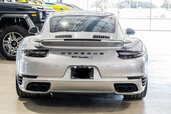
In for responses. I love the PCCB's on my 997.2 TTS but with all the hype about people saying we should replace with steel and package these up for resale and the "Don't track them or you'll be spending $20,000 to replace" has me worried.
Depends on how you track them, and whether or not you keep the pads fresh(ish). Running the pads into the backing plates seems to be the biggest problem.
Isn't there a sensor built into the pads to warn you that pads are worn ?
There is a sensor system. It'd be an expensive day if it failed, I guess.
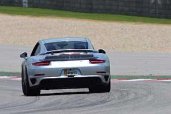
I had about 1000 track miles on mine and replaced the front pads once. I would get that grinding sound after braking out at my county road but it would quickly go away after driving home. I am not sure what it was. The rotors were fine.
Quote:
There is a sensor system, but I track my car so I do not allow the pads to wear down until the sensors contact the rotors. Originally Posted by PorschenaroundCT
Isn't there a sensor built into the pads to warn you that pads are worn ?
I have spoken with a few shops in my area and they each recommended brake pad changes at about 50% remaining pad thickness if you intend to track your car with PCCBs. After hearing what the pads sound like at 50%, I understand why now. Maybe the brakes are still fine at 50% pad thickness; there certainly wasn't any fading at this thickness, but the initial bite was lost, too.
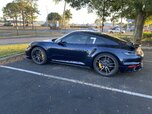
Quote:
I have spoken with a few shops in my area and they each recommended brake pad changes at about 50% remaining pad thickness if you intend to track your car with PCCBs. After hearing what the pads sound like at 50%, I understand why now. Maybe the brakes are still fine at 50% pad thickness; there certainly wasn't any fading at this thickness, but the initial bite was lost, too.
I have now on my 2014 third set of CCB Rotors. Originally Posted by Carjunky1
There is a sensor system, but I track my car so I do not allow the pads to wear down until the sensors contact the rotors. I have spoken with a few shops in my area and they each recommended brake pad changes at about 50% remaining pad thickness if you intend to track your car with PCCBs. After hearing what the pads sound like at 50%, I understand why now. Maybe the brakes are still fine at 50% pad thickness; there certainly wasn't any fading at this thickness, but the initial bite was lost, too.
SENSORS melt when tracked a lot and do not work.
The grinding sound after a hard track day is normal.
Just drive normally and sound will disappear after a few hundred miles.
Quote:
SENSORS melt when tracked a lot and do not work.
The grinding sound after a hard track day is normal.
Just drive normally and sound will disappear after a few hundred miles.
thanks for the tip on the sensors. Also, how many miles on your '14 TTS and what mileage are you getting for CCB rotor life? Close up photos of the old rotors would be nice to see and have you ever received a resistance reading to validate remaining life? I may have read your post about pathetic CCB rotor life somewhere.Originally Posted by Karl911
I have now on my 2014 third set of CCB Rotors. SENSORS melt when tracked a lot and do not work.
The grinding sound after a hard track day is normal.
Just drive normally and sound will disappear after a few hundred miles.
Quote:
I went thru my first set at about 33k miles including About 35 track days. 2nd set about 20 track days. These are for fronts. Rear last longer. I am now running aftermarket rotors.Originally Posted by Carjunky1
thanks for the tip on the sensors. Also, how many miles on your '14 TTS and what mileage are you getting for CCB rotor life? Close up photos of the old rotors would be nice to see and have you ever received a resistance reading to validate remaining life? I may have read your post about pathetic CCB rotor life somewhere.
That's actually really good. I went through steel rotors on my race car that was lighter much quicker than that. They were Porsche rotors, too with Alcon calipers.
Agreed. It is good to hear the PCCB are holding well in real ownership will tracking experiences. [I must have confused Karl911 with another thread in which an owner was getting very poor CCB rotor life].

just had a CPO pre-purchase check done on a 2015 991.1 TTS with 18500 connecticut-doctor-driven miles and the PAD levels were 80% across all 4